


What's Happening?
Juneau's existing geothermal heating systems, including those at Juneau International Airport, are spotlighting the need for specialized workforce training in Alaska. The Cold Climate Housing Research Center recently received $150,000 in federal funding
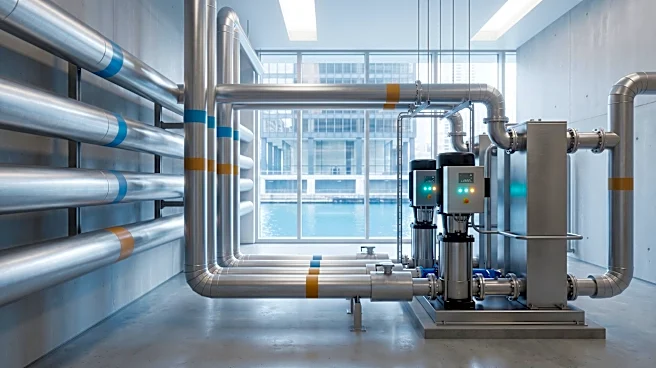
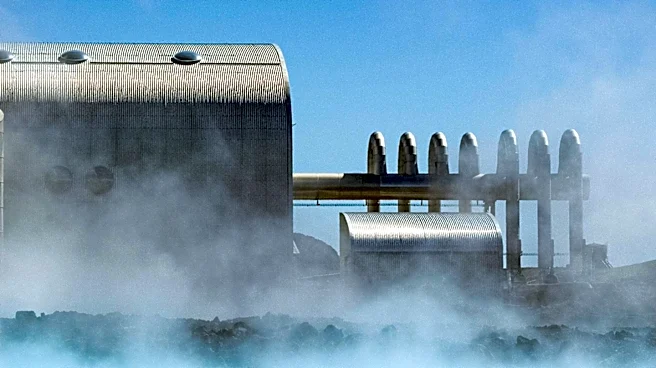
through the U.S. Department of Energy’s Partnerships to Accelerate Training and Hiring for Geothermal Heat Pumps (GHP PATHs) program. This funding, the second phase of the award, will enable the Fairbanks-based nonprofit, in collaboration with the Renewable Energy Alaska Project, to develop a training curriculum and pilot course for workers to install and maintain geothermal heating systems. The initiative addresses challenges like aging heat pumps and sediment buildup in Juneau's geothermal infrastructure, which complicate maintenance and highlight a gap in skilled labor for this technology.
Why It's Important?
This training initiative is crucial for Alaska as communities seek to reduce heating expenses and transition away from fossil fuels. Geothermal systems offer a sustainable alternative, but their effective deployment and maintenance depend on a skilled local workforce. Without trained professionals, the potential benefits of geothermal energy—such as reduced operating costs and lower carbon emissions—cannot be fully realized. For the U.S., investing in such workforce development programs supports national energy independence goals and promotes the growth of renewable energy sectors. It also creates new job opportunities in a specialized field, contributing to economic diversification in regions like Alaska that are heavily reliant on traditional energy industries.
What's Next?
The Cold Climate Housing Research Center and the Renewable Energy Alaska Project will proceed with developing an Alaska-specific training curriculum for geothermal heat pump systems. This will involve collaborating with industry partners and educators to ensure the curriculum meets practical needs. A pilot course will then be hosted to train the first cohort of workers. Organizers also hope to repurpose retired drilling machinery from Alaska's North Slope for geothermal installations, potentially providing new opportunities for oil and gas workers to transition their skills. The long-term goal is to establish a robust workforce capable of designing, installing, and maintaining geothermal systems across Alaska, reducing the state's dependence on heating oil.
Beyond the Headlines
The effort to train a geothermal workforce in Alaska represents a broader trend of energy transition and skill adaptation in regions historically dominated by fossil fuel industries. By repurposing oil drilling equipment and retraining workers, Alaska could serve as a model for other states looking to leverage existing industrial infrastructure and human capital for renewable energy development. This initiative also highlights the importance of localized solutions for energy challenges, as Alaska's unique cold climate conditions require specialized expertise. The success of this program could demonstrate how targeted federal funding and local partnerships can drive significant progress in renewable energy adoption and workforce development, fostering economic resilience and environmental sustainability in challenging environments.