




What's Happening?
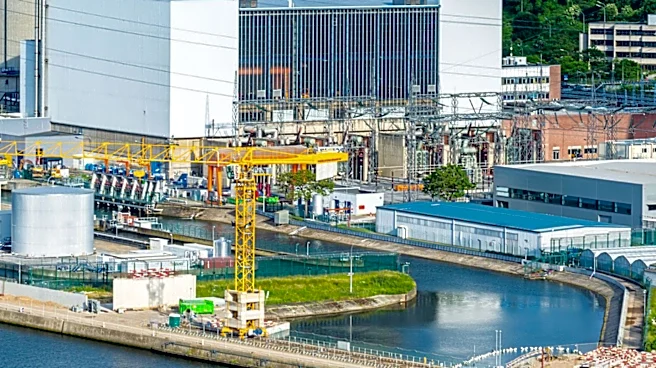
The U.S. Nuclear Regulatory Commission (NRC) has approved the construction of four Xe-100 advanced nuclear reactors by X-energy at a Texas industrial site owned by Dow Chemical. This marks the first time an advanced nuclear reactor has been approved for
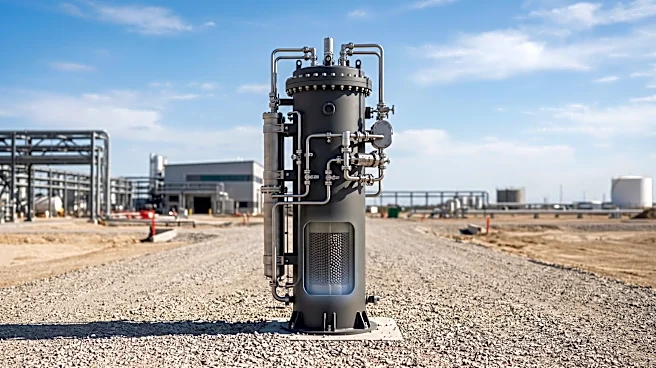
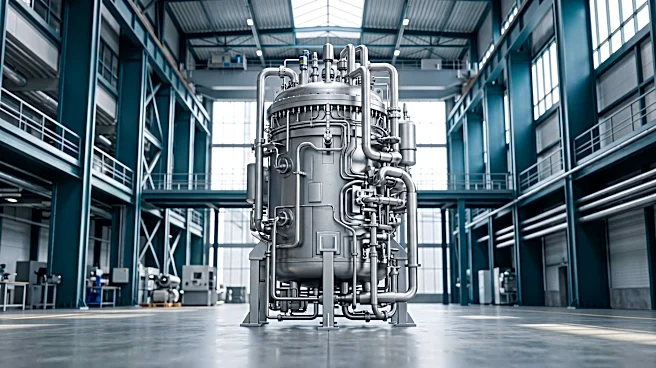
construction at an industrial site in the United States. The reactors, part of the Long Mott Generating Station, are designed to generate 80 megawatts of electricity and 200 megawatts of heat each, utilizing helium as a coolant to operate safely at higher temperatures. The approval process for this joint application by X-energy and Dow Chemical was completed in less than 18 months, a record pace for contested hearings, reflecting efforts to streamline U.S. nuclear regulation. The Xe-100 is a high-temperature gas-cooled reactor that uses advanced TRISO-X coated particle fuel, providing a safety profile that allows for a significantly smaller emergency planning zone compared to conventional light-water reactors. While the construction permit has been issued, an operating license will be required before the reactors can be fueled or operated, and Dow has not yet made a final decision to proceed with construction.
Why It's Important?
This approval is a significant milestone for the U.S. nuclear energy sector and its broader energy policy. It represents a tangible step towards diversifying the nation's energy sources and achieving decarbonization goals, as quadrupling commercial nuclear capacity by 2050 is now official U.S. government policy. The deployment of advanced nuclear reactors at industrial sites, such as Dow's Seadrift facility, offers a pathway for heavy industries to transition away from fossil fuels, providing clean industrial power and high-temperature steam for their operations. This move could reduce carbon emissions from industrial processes and enhance energy independence. The streamlined regulatory process demonstrated by the NRC's rapid approval also signals a more efficient path for future advanced nuclear projects, potentially accelerating the adoption of this technology. Furthermore, the federal funding of at least $2 billion each for companies like X-energy and TerraPower through the Department of Energy's Advanced Reactor Demonstration Program underscores a strong governmental commitment to fostering innovation and deployment in the advanced nuclear field.
What's Next?
Following the construction permit, X-energy and Dow Chemical will focus on maturing the supply chain for long-lead components and materials, and preparing their operating license application. Dow is expected to consider a preliminary investment decision in 2027, with potential construction beginning later this decade and startup early next decade, assuming final approval. This project is part of a broader trend, as the NRC has also greenlit construction for other advanced reactor designs, including three molten-salt-cooled reactors by Kairos Power in Tennessee and one liquid-sodium-cooled reactor by TerraPower in Wyoming. These developments indicate a continued push for advanced nuclear technologies across various industrial applications. The success of these initial projects will likely influence future regulatory decisions and investment in the advanced nuclear sector, potentially leading to more widespread adoption of these technologies for both electricity generation and industrial heat applications.
Beyond the Headlines
The approval of the Xe-100 reactors at an industrial site highlights a strategic shift in how nuclear energy is being integrated into the U.S. energy landscape. Unlike traditional large-scale nuclear power plants primarily focused on grid electricity, these advanced reactors are designed to provide both electricity and process heat directly to industrial facilities. This dual-purpose capability could revolutionize energy consumption in energy-intensive industries, offering a reliable, carbon-free alternative to fossil fuels. The smaller emergency planning zone for these high-temperature gas-cooled reactors, compared to conventional light-water reactors, could also facilitate their siting closer to industrial demand centers, reducing transmission losses and infrastructure costs. This development also signals a potential re-evaluation of nuclear energy's role beyond just electricity generation, positioning it as a critical component for industrial decarbonization and a more resilient energy infrastructure. The regulatory 'firsts' achieved by the NRC in this approval could set precedents for future advanced nuclear projects, shaping the regulatory framework for years to come.