



What's Happening?
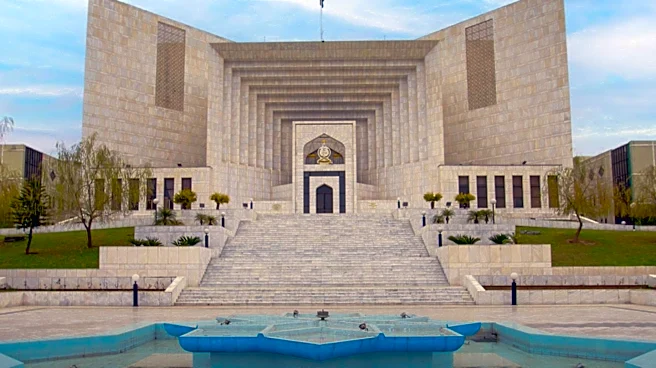
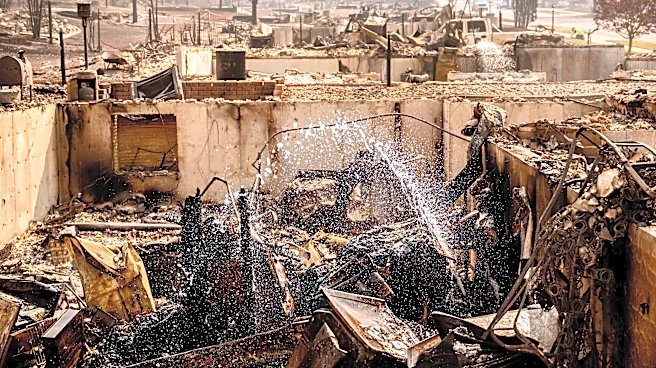
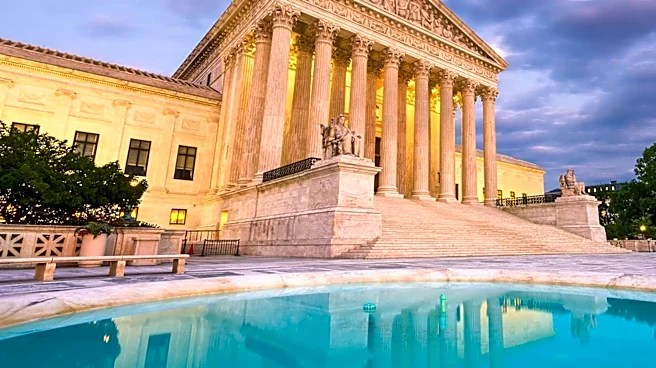
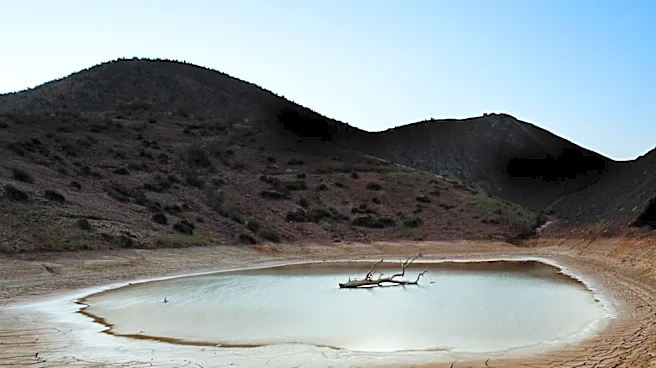
The Supreme Court has announced its docket for the October 2026 term, which includes significant cases on climate change and immigration detention. One of the key cases, Suncor Energy (U.S.A.) v. Commissioners of Boulder County, involves a lawsuit by
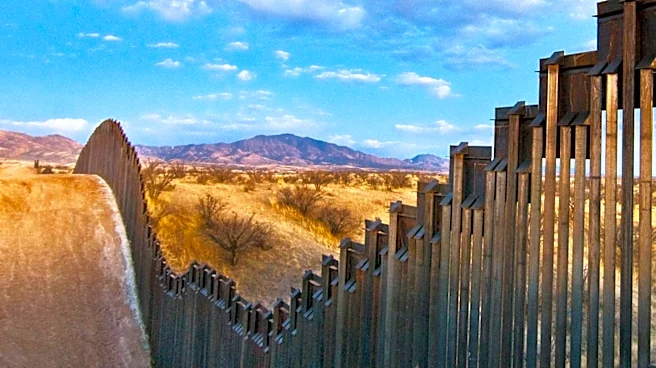
a Colorado county seeking damages from oil and gas companies for their role in climate change. Another important case, Genalo v. Black, will address whether prolonged detention of noncitizens without a bond hearing is constitutional. These cases are part of a broader set of seven cases scheduled for oral arguments in October, covering various legal and constitutional issues.
Why It's Important?
The outcomes of these cases could have far-reaching implications for environmental policy and immigration law in the United States. The climate change case could set a precedent for holding corporations accountable for environmental damage, potentially influencing future litigation and regulatory approaches. The immigration detention case could impact the rights of noncitizens and the government's ability to detain individuals without due process. These decisions will be closely watched by legal experts, policymakers, and advocacy groups, as they could shape the legal landscape in these critical areas.
What's Next?
As the Supreme Court prepares to hear these cases, stakeholders on both sides will likely intensify their advocacy efforts. Environmental groups and immigration advocates may file amicus briefs to influence the court's decisions. The outcomes could prompt legislative responses or further legal challenges, depending on the court's rulings. The decisions will also be scrutinized for their alignment with broader trends in the court's jurisprudence and their impact on public policy.