


What's Happening?
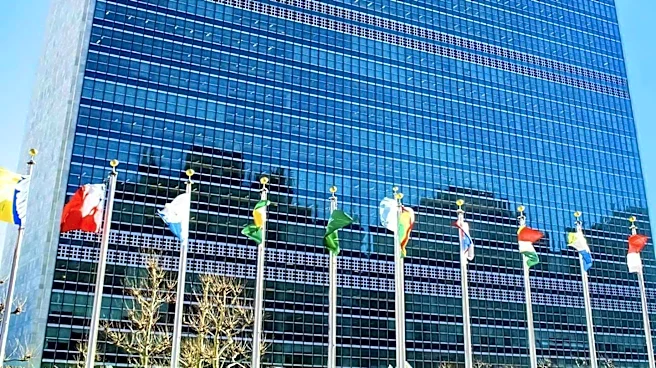
The UN Ocean Conference in 2025 is set to reposition oceans as a global priority, focusing on sustainable management and conservation. This international gathering will emphasize the critical need for global cooperation to tackle various ocean-related
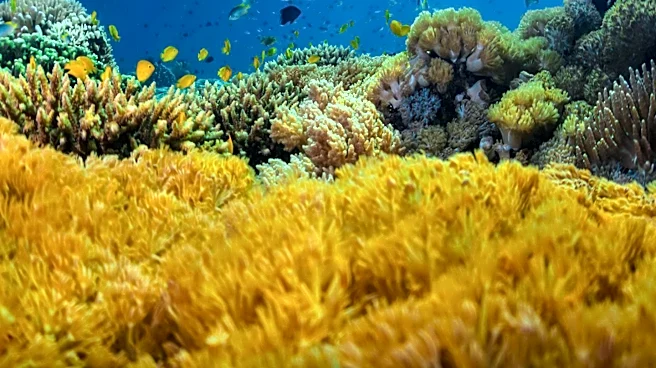
challenges. Key issues on the agenda include deep-sea mining, the pervasive impacts of climate change on marine ecosystems, and the broader protection of marine biodiversity. Discussions will also aim to integrate ocean health into overarching global policy frameworks, promoting economic practices that are sustainable within marine environments. The conference seeks to foster a comprehensive approach to ocean governance, recognizing the interconnectedness of ocean health with global ecological and economic stability. This initiative underscores a concerted effort to address the escalating threats facing the world's oceans and to secure their long-term viability.
Why It's Important?
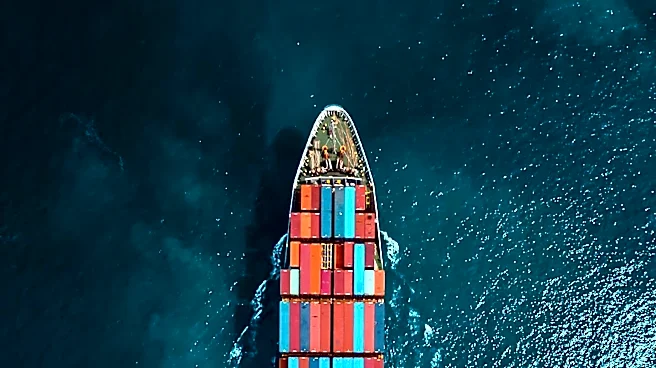
The UN Ocean Conference in 2025 holds significant importance for global environmental policy and economic stakeholders. By elevating oceans to a global priority, the conference aims to catalyze international action and investment in marine conservation. For U.S. industries, particularly those involved in fishing, shipping, and coastal tourism, the outcomes could lead to new regulations or incentives for sustainable practices. The focus on deep-sea mining and climate change impacts directly affects resource extraction and energy sectors, potentially influencing future operational guidelines and technological development. Furthermore, integrating ocean health into global policy frameworks could create new international agreements, impacting trade and environmental compliance for U.S. businesses. The emphasis on sustainable economic practices in marine environments could also spur innovation in blue economy sectors, offering opportunities for growth in sustainable aquaculture, renewable ocean energy, and eco-tourism. Conversely, industries reliant on less sustainable practices might face increased scrutiny and pressure for reform, potentially incurring higher operational costs or requiring significant shifts in business models.
What's Next?
Following the UN Ocean Conference in 2025, several key developments are anticipated. The conference is expected to culminate in a series of declarations, commitments, and potentially new international agreements aimed at strengthening ocean governance and conservation efforts. Major stakeholders, including political leaders, international organizations, and civil society groups, will likely engage in follow-up discussions to translate these commitments into actionable policies and programs. Businesses operating in marine sectors may need to prepare for evolving regulatory landscapes and increased demands for environmental responsibility. There could be a push for greater investment in scientific research to better understand ocean ecosystems and the impacts of human activities. Additionally, the conference may inspire national governments, including the U.S., to develop or enhance their own marine protection strategies and allocate resources towards achieving the conference's objectives. The emphasis on integrating ocean health into global policy frameworks suggests a long-term effort to embed sustainable ocean practices across various sectors, leading to ongoing dialogues and collaborative initiatives.
Beyond the Headlines
The UN Ocean Conference in 2025 carries deeper implications beyond immediate policy changes, touching upon ethical, legal, and cultural dimensions. Ethically, the conference highlights humanity's moral responsibility to protect marine life and ecosystems, recognizing the intrinsic value of oceans and their role in sustaining planetary health. Legally, discussions around deep-sea mining and marine biodiversity protection could lead to the development of new international legal instruments or the strengthening of existing ones, potentially redefining sovereign rights and responsibilities in marine territories. Culturally, the conference may foster a greater global awareness and appreciation for oceans, influencing public perception and promoting a shift towards more ocean-friendly lifestyles and consumption patterns. This could lead to a long-term societal shift in how humans interact with marine environments, moving from exploitation to stewardship. The emphasis on international cooperation also underscores a growing recognition that ocean challenges transcend national borders, necessitating a collective global response and potentially reshaping geopolitical alliances around environmental concerns. This event could mark a pivotal moment in fostering a more holistic and integrated approach to global environmental governance.