





What's Happening?
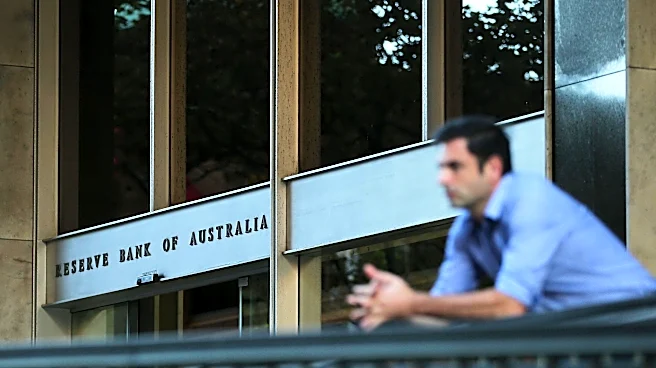
Australia is experiencing a significant cost of living crisis, with overall living costs increasing by approximately 25% since 2019. Housing prices have become particularly unaffordable, now costing 8-10 times the average income. The annual inflation
rate reached 4.3% in September, and the Reserve Bank of Australia (RBA) projects that inflation will not fall below 3% until late 2027. In contrast, nominal wages grew by an average of only 3.2% over the year ending in the June quarter, a rate significantly lower than inflation. This disparity means that the real value of wages is currently at the same level as in 2011, yet living conditions have deteriorated considerably, primarily due to the more than doubling of housing costs. The escalating prices of essential goods and services have severely impacted discretionary spending, with a Finder survey indicating that 31% of mortgage holders have reduced non-essential expenditures due to rising interest rates.
Why It's Important?
The widening gap between stagnant wage growth and persistent inflation poses a substantial threat to the economic stability and quality of life for many Australians. The inability of wages to keep pace with rising costs, especially in housing, is eroding household purchasing power and forcing families to cut back on non-essential spending. This economic pressure can lead to decreased consumer confidence and reduced retail activity, potentially slowing overall economic growth. The situation also highlights a growing wealth disparity, as those with fixed incomes or lower wage growth are disproportionately affected by the rising cost of living. The RBA's forecast of prolonged inflation suggests that these challenges are not temporary, indicating a need for sustained policy interventions to support household incomes and address affordability issues.
What's Next?
The RBA's projection that inflation will remain above 3% until late 2027 suggests that Australians will continue to face significant cost of living pressures for the foreseeable future. This prolonged period of high inflation and relatively low wage growth may prompt further adjustments in consumer behavior, including continued reductions in discretionary spending and increased reliance on cost-saving measures. Policymakers may face growing pressure to implement measures aimed at alleviating financial strain on households, such as targeted relief programs or strategies to boost real wage growth. The ongoing economic conditions could also influence future interest rate decisions by the RBA, as it balances inflation control with economic stability. Businesses, particularly in the retail sector, may need to adapt to a more cautious consumer environment.
Beyond the Headlines
The current cost of living crisis in Australia extends beyond immediate financial strain, potentially leading to broader societal impacts. The severe housing affordability crisis, where prices are 8-10 times income, could exacerbate social inequality and limit opportunities for younger generations to enter the housing market. This could lead to long-term shifts in wealth distribution and social mobility. The sustained erosion of real wages may also fuel social discontent and calls for more significant economic reforms. Furthermore, the crisis could prompt a re-evaluation of economic policies, with a greater focus on supply-side issues, housing policy, and wage-setting mechanisms to ensure a more equitable distribution of economic growth and stability for all citizens.