






What's Happening?
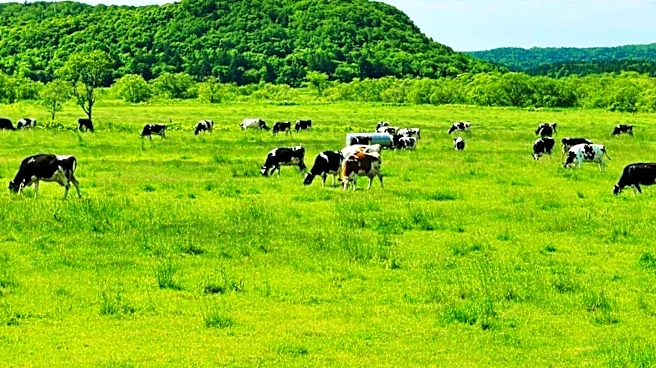
The Livestock Conservancy is actively working to prevent the extinction of over 150 breeds of cattle, chicken, donkeys, ducks, geese, goats, horses, pigs, rabbits, sheep, and turkeys in the United States. Jeannette Beranger, Senior Program Manager for
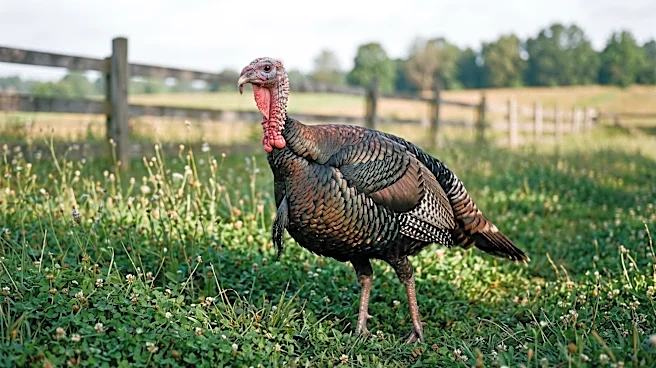
the Livestock Conservancy, highlights that these heritage breeds represent crucial genetic diversity that has been lost in commercial production over decades. For example, commercial turkeys have lost the ability to breed naturally, relying entirely on artificial insemination, while heritage turkeys retain this natural ability and can thrive in various conditions. The Conservancy's mission is to protect these breeds because their unique traits, such as disease resistance, mothering abilities, and adaptability to different climates, are irreplaceable if lost. Beranger, with a background in zoo conservation, emphasizes the importance of connecting people to the concept of extinction through familiar farm animals. The organization aims to help these breeds regain their economic relevance, as no breed can be saved by becoming a 'lawn ornament.'
Why It's Important?
The preservation of heritage livestock breeds is critical for the long-term sustainability and resilience of U.S. agriculture. The loss of genetic diversity in livestock mirrors biodiversity loss in wild animals, posing significant risks to food security and agricultural adaptability. Relying on a few commercial breeds creates monocultures, making the entire livestock industry vulnerable to diseases, environmental changes, and unforeseen challenges, akin to historical events like the Great Potato Famine. Heritage breeds offer a genetic reservoir that could provide resistance to emerging diseases, adaptability to changing climates, and unique product qualities. Their preservation ensures that future generations of farmers and consumers have access to a wider range of animal traits, contributing to a more robust and adaptable food system. This effort also maintains cultural and historical connections to traditional farming practices and the animals that shaped American agriculture.
What's Next?
The Livestock Conservancy will continue its efforts to identify, document, and support breeders of endangered heritage livestock. A key focus will be on engaging the next generation of farmers and enthusiasts to take on the responsibility of conservation breeding. The organization also works with programs like the National Animal Germplasm Program (USDA) for cryopreservation, creating a safety net for these breeds. However, the primary goal remains keeping these animals 'on the ground' to allow them to continue adapting to environmental and biological challenges. The Conservancy will also focus on promoting the economic viability of heritage breeds, encouraging their use in niche markets for meat, dairy, fiber, or other services. Outreach and education will be crucial to raise public awareness and encourage consumer demand for products derived from heritage breeds, thereby creating sustainable markets for breeders.
Beyond the Headlines
The decline of heritage livestock breeds reflects broader trends in industrial agriculture, where efficiency and uniformity have often overshadowed genetic diversity and resilience. This situation raises ethical questions about humanity's role in shaping animal populations and the long-term consequences of prioritizing short-term economic gains over biological robustness. The work of the Livestock Conservancy highlights the interconnectedness of ecological health, agricultural sustainability, and cultural heritage. It underscores the idea that conservation is not just about wild species but also about the domesticated animals that have co-evolved with humans and are integral to our food systems. The effort to save these breeds is a proactive measure against future agricultural crises, emphasizing the value of genetic diversity as a form of biological insurance in an unpredictable world.