






What's Happening?
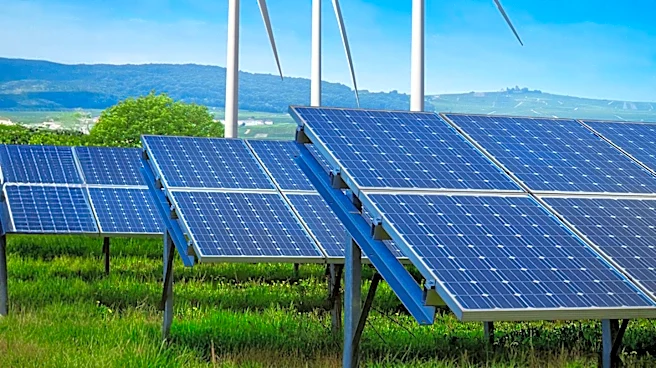
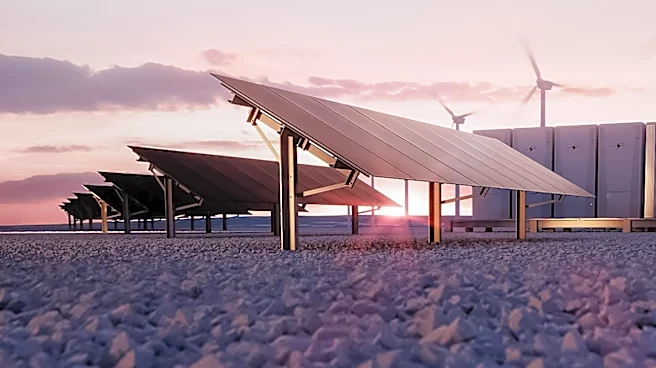
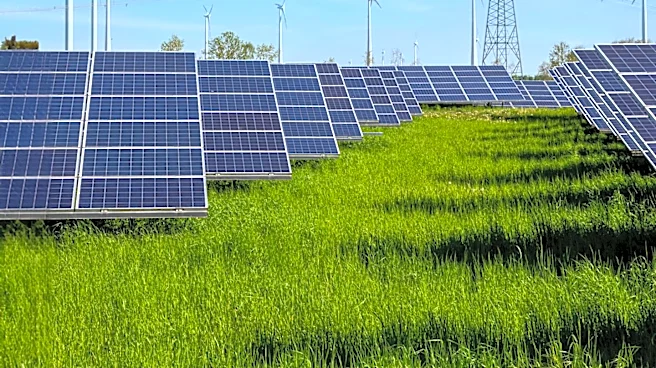
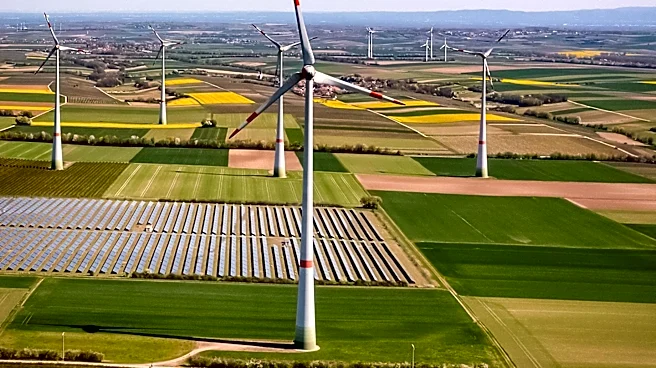
A new report by The Brattle Group for The Pew Charitable Trusts indicates that removing barriers and advancing policies for distributed energy resources (DERs) could save the U.S. power system an estimated $614 billion through 2050. DERs include distributed solar,
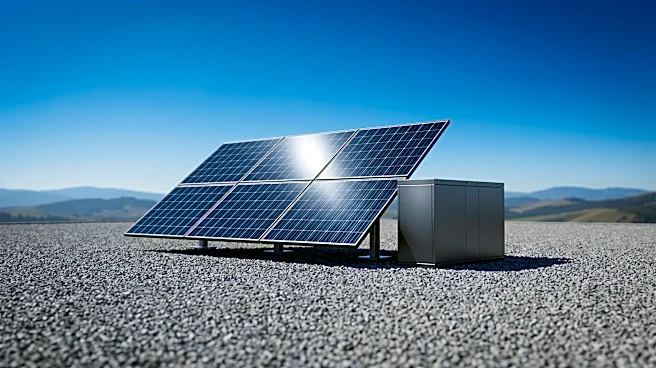
battery storage, and demand flexibility like managed EV charging, utilized by residential, commercial, and industrial customers. This expansion of DERs could offset approximately half of projected household electricity bill increases, excluding inflation. The report, titled 'The National Case for a More Distributed Power Grid: New Evidence on Affordability and Demand Growth,' suggests that addressing key policy barriers could more than quadruple U.S. DER capacity, adding over 400 gigawatts (GW) by 2050, equivalent to nearly one-third of the country's current power generation fleet. This would reduce the risk and costs associated with overbuilding conventional energy infrastructure due to uncertain future electricity demands.
Why It's Important?
This report is highly significant for the U.S. energy landscape, as it quantifies the substantial economic benefits of a more distributed power grid. The potential savings of $614 billion underscore the financial incentive for policymakers and utilities to prioritize DER adoption. By softening future electricity bill increases, DERs can provide direct financial relief to households, making energy more affordable. Furthermore, the ability of DERs to reduce reliance on natural gas additions and decrease carbon emissions aligns with national goals for decarbonization and climate change mitigation. The shift towards distributed storage and flexibility closer to customers enhances grid resilience and provides utilities with greater adaptability in managing demand, which is crucial given the increasing load from data centers, manufacturing, and electrification. This could lead to a more robust, efficient, and environmentally friendly energy system.
What's Next?
The report's findings are expected to inform policy discussions and drive efforts to remove existing barriers to DER deployment. Key policy recommendations include incorporating DERs into distribution system planning, reducing local permitting costs, and reforming interconnection processes. Stakeholders, including utilities, regulators, and policymakers, will likely consider these recommendations to facilitate the expansion of DER capacity. The potential for significant cost savings and environmental benefits provides a strong impetus for action. Future developments may include legislative initiatives, regulatory changes at both federal and state levels, and increased investment in distributed energy technologies and infrastructure to capitalize on these identified opportunities.
Beyond the Headlines
The shift towards distributed energy resources represents a fundamental transformation of the traditional centralized power grid model. This decentralization empowers individual consumers and businesses to become active participants in the energy market, not just passive consumers. It raises questions about the future role of large utility companies and the need for innovative business models that integrate DERs effectively. The report also highlights the ethical dimension of energy affordability, suggesting that DERs can help address energy poverty by reducing household burdens. Moreover, the increased grid flexibility and resilience offered by DERs could be vital in an era of escalating climate-related extreme weather events, providing localized power during outages and enhancing overall energy security. This transition could foster a more democratic and resilient energy system.