






What's Happening?
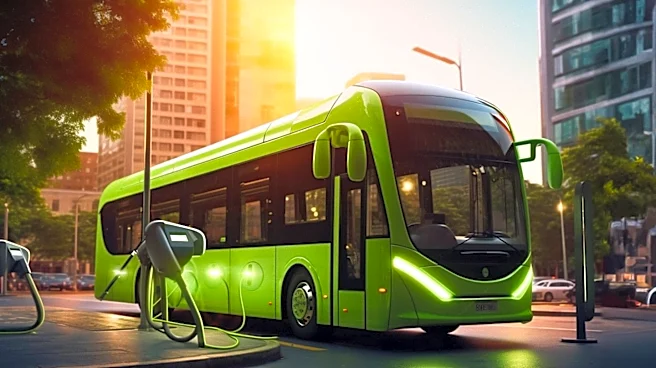
The University of Maryland (UMD) celebrated the arrival of its first eight electric Shuttle-UM buses, marking a significant step towards its sustainability goals. This initiative is part of a larger plan to acquire a 27-bus electric fleet, made possible
by a nearly $40 million federal grant from the U.S. Department of Transportation's Federal Transit Administration (FTA). UMD President Darryll J. Pines, along with university and community leaders, and elected officials, including U.S. Rep. Glenn Ivey (D-Md.) and U.S. Sen. Chris Van Hollen, attended the event. The full electric fleet is expected to save approximately 130,000 gallons of diesel fuel annually. The grant, awarded through the FTA's Low-No Program, will fund 27 electric buses and 16 charging stations with 32 charging ports. These new buses will progressively replace older vehicles in the Shuttle-UM fleet, serving all routes and capable of traveling close to 250 miles on a full charge. Once the full fleet arrives, the majority of Shuttle-UM's vehicles will be electric or hybrid, placing UMD among a select few universities operating such a fleet.
Why It's Important?
This development at the University of Maryland is a significant stride in the broader U.S. movement towards sustainable transportation and reduced carbon emissions. The transition to an electric bus fleet will substantially decrease the university's environmental footprint by eliminating 130,000 gallons of diesel fuel consumption annually, contributing to cleaner air and quieter neighborhoods, particularly in Prince George's County. This initiative also highlights the critical role of federal grants, such as the FTA's Low-No Program, in enabling large-scale environmental projects at educational institutions. The involvement of U.S. Rep. Glenn Ivey and U.S. Sen. Chris Van Hollen underscores the bipartisan support for green infrastructure and sustainable development at the federal level. As one of the few universities to operate such an extensive electric bus fleet, UMD sets a precedent for other institutions, potentially accelerating the adoption of electric vehicles in campus transportation systems nationwide and fostering innovation in sustainable practices within the higher education sector.
What's Next?
The University of Maryland anticipates the full arrival of its 27-bus electric fleet by spring, at which point the majority of its Shuttle-UM vehicles will be electric or hybrid. This will lead to a significant reduction in the university's carbon emissions and fuel costs. The successful implementation of this project could serve as a model for other universities and public transportation systems across the U.S., potentially encouraging more federal funding for similar initiatives. U.S. Rep. Glenn Ivey and U.S. Sen. Chris Van Hollen may continue to advocate for federal grants supporting sustainable transportation, building on the success of the FTA's Low-No Program. The university will likely monitor the performance and efficiency of the new electric buses, gathering data that could inform future decisions on fleet electrification and sustainable infrastructure development. This transition is expected to enhance the overall campus experience by providing cleaner and quieter transportation options for students and staff.
Beyond the Headlines
The University of Maryland's adoption of an electric bus fleet extends beyond immediate environmental benefits, signaling a broader cultural and educational shift towards sustainability within academic institutions. This move not only reduces the university's carbon footprint but also serves as a tangible example of environmental stewardship for its students, faculty, and the wider community. It integrates sustainability into daily campus life, potentially influencing future generations to prioritize eco-friendly practices. Furthermore, the project highlights the complex interplay between federal policy, local government, and educational institutions in addressing climate change. The substantial federal grant underscores a national commitment to investing in green technology and infrastructure, which can stimulate economic growth in related sectors. This initiative also positions UMD as a leader in sustainable campus operations, potentially attracting environmentally conscious students and faculty, and fostering research and innovation in electric vehicle technology and urban planning.