
What's Happening?
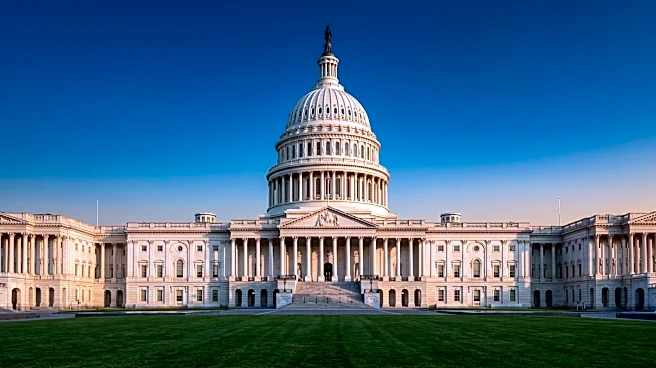
U.S. Senator Joni Ernst (R-IA) has introduced the 'Keeping China Off the Rails Act of 2026' (S. 5294). This proposed legislation aims to prevent the use of cargo monitoring technologies connected to the Chinese
Communist Party (CCP) on trains transporting U.S. Department of Defense (DOD) cargo. Senator Ernst emphasized that no foreign adversary, especially one as hostile as Communist China, should have access to information regarding sensitive military shipments or activities at high-security U.S. facilities. The bill would extend existing prohibitions for new rail cars to include current ones, requiring rail carriers to certify that automatic equipment identification (AEI) tags and other cargo monitoring systems are not being used to track DOD military shipments. The DOD frequently uses rail transportation for heavy military equipment across the United States, making these tracking systems crucial for operational security. If enacted, the bill would provide the rail industry with a four-year transition period to replace affected technologies, grant the DOD Secretary waiver authority for national emergencies, and include exemptions for smaller DOD shipments. The measure has been referred to the U.S. Senate Commerce, Science, and Transportation Committee.
Why It's Important?
This legislation is critical for national security, directly addressing potential vulnerabilities in the U.S. military's logistics and supply chain. By preventing CCP-linked technology from monitoring DOD cargo, the bill aims to safeguard sensitive military information and movements from foreign adversaries. Such access could compromise strategic operations, reveal troop and equipment deployments, and undermine overall military readiness. The reliance of the DOD on rail transportation for heavy equipment means that any compromise in tracking systems could have significant implications for national defense. Protecting this infrastructure is essential for maintaining the U.S. military's competitive edge and ensuring the security of its assets. The bill also highlights growing concerns about China's technological influence and its potential use for espionage or strategic advantage against the United States. The proposed four-year transition period for the rail industry indicates a recognition of the practical challenges involved in implementing such a change, balancing national security needs with industry capabilities.
What's Next?
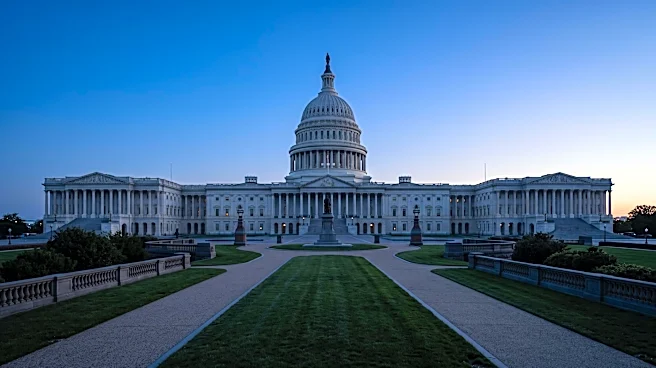
The 'Keeping China Off the Rails Act of 2026' (S. 5294) has been referred to the U.S. Senate Commerce, Science, and Transportation Committee for consideration. The next steps will involve committee review, potential hearings, and markups before it can be brought to a vote in the full Senate. If it passes the Senate, it would then need to be approved by the House of Representatives and signed into law by the President. The rail industry will likely engage with the committee to discuss the feasibility and economic impact of the proposed changes, particularly regarding the replacement of existing technologies. The DOD Secretary's waiver authority for national emergencies suggests that the implementation will be flexible enough to accommodate unforeseen circumstances while prioritizing national security. The bill's progress will be closely watched by national security experts, the defense industry, and rail operators.
Beyond the Headlines
Beyond the immediate security implications, this legislation reflects a broader strategic shift in U.S. policy towards China, emphasizing decoupling in critical sectors and mitigating technological dependencies. It underscores the increasing awareness within the U.S. government of the dual-use nature of many technologies and the potential for seemingly innocuous commercial tools to be exploited for intelligence gathering or strategic advantage by foreign powers. This move could set a precedent for similar legislative actions in other sectors deemed vital for national security, potentially leading to a wider re-evaluation of foreign technology integration in U.S. infrastructure. It also highlights the ongoing geopolitical competition between the U.S. and China, where technological dominance and information control are key battlegrounds. The bill's focus on 'existing' rail cars, not just new ones, indicates a comprehensive approach to closing all potential vulnerabilities, suggesting a long-term commitment to securing critical infrastructure from foreign influence.