






What's Happening?
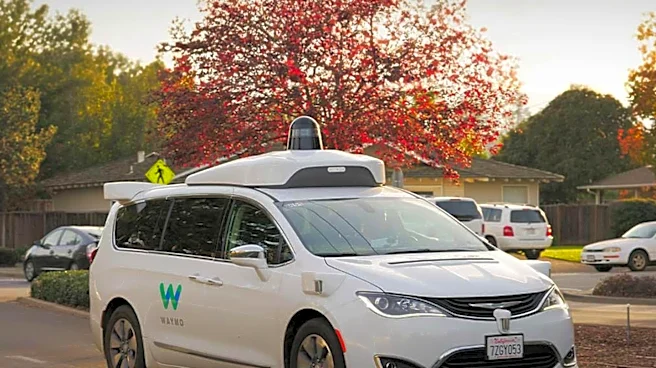
Representative Kevin Mullin has introduced the AV Emergency Response Coordination Act, a federal bill aimed at establishing minimum safety standards for autonomous vehicles (AVs) in emergency situations. The bill mandates that the National Highway Traffic
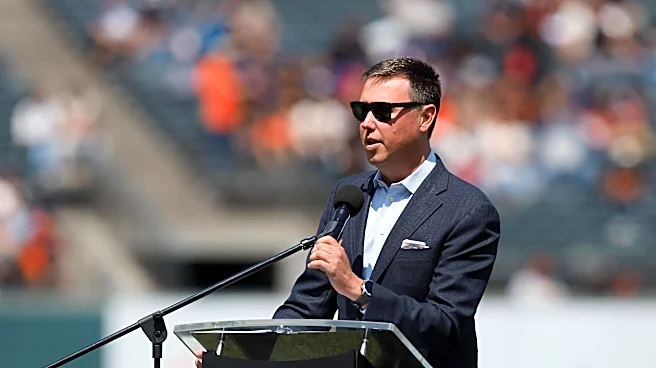
Safety Administration (NHTSA) set these standards to ensure AVs do not interfere with emergency services such as police, firefighters, and paramedics. The legislation requires AV companies to publish standardized emergency response protocols, establish a 24/7 hotline for public officials, and allow officials to issue 'geofence notices' to prevent AVs from entering areas during active emergencies. Mullin announced the bill at a press conference in San Francisco, highlighting incidents where AVs have obstructed emergency services in various cities.
Why It's Important?
The introduction of this bill is significant as it addresses growing concerns about the interaction between autonomous vehicles and emergency services. As AV technology becomes more prevalent, ensuring these vehicles can safely coexist with emergency responders is crucial. The bill aims to prevent potentially life-threatening situations where AVs could block or delay emergency response efforts. By setting federal safety standards, the legislation seeks to enhance public safety and build trust in autonomous vehicle technology. This move could also influence the regulatory landscape for AVs, prompting other jurisdictions to adopt similar measures.
What's Next?
If passed, the AV Emergency Response Coordination Act will require AV companies to comply with new federal safety standards, potentially leading to changes in how these companies design and operate their vehicles. The bill's progress will be closely watched by stakeholders in the autonomous vehicle industry, emergency services, and public safety advocates. The legislation may also prompt further discussions on the broader implications of AV technology and its integration into existing transportation systems.