


What's Happening?
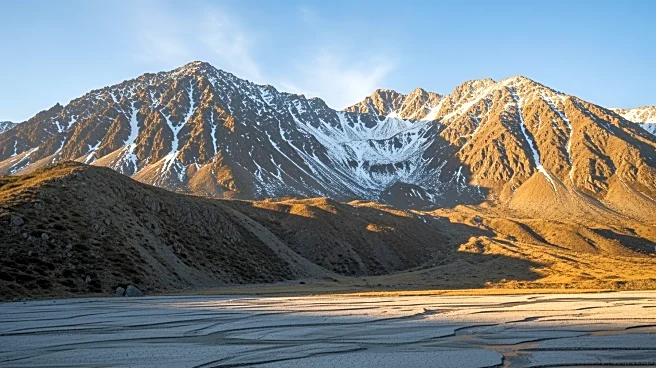
A long-term climate experiment in the Rocky Mountains has shown that a 2C increase in temperature can drastically alter meadow ecosystems. Conducted since 1991, the study involved heating plots of land to simulate future climate conditions. The results
revealed that instead of promoting lush growth, the warming led to the replacement of grasses and wildflowers with sagebrush, transforming the meadows into desert-like scrubland. The experiment highlights the potential for 'shrubification' in mountain regions worldwide if global temperatures continue to rise.
Why It's Important?
The findings underscore the vulnerability of alpine ecosystems to climate change, with significant implications for biodiversity and conservation efforts. As these ecosystems shift, species that rely on specific habitats may face extinction, leading to a loss of biodiversity. The study also highlights the broader impacts of climate change on global ecosystems, emphasizing the need for urgent action to mitigate warming and protect vulnerable environments. The transformation of these meadows serves as a warning of the potential consequences of unchecked climate change.
Beyond the Headlines
The experiment also revealed changes in soil fungi and microbes, indicating that warming affects both above-ground and below-ground ecosystems. This shift could have cascading effects on nutrient cycling and ecosystem health. The study's findings contribute to a growing body of evidence on the impacts of climate change, informing policy decisions and conservation strategies. As global temperatures rise, similar transformations may occur in other regions, highlighting the need for adaptive management and conservation planning.