
What's Happening?
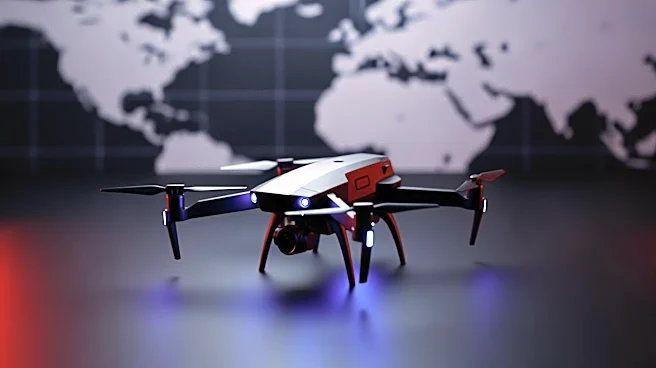
Recent intelligence reports have revealed that Cuba is considering using military drones acquired from Russia and Iran to target U.S. interests, including the southernmost point of the continental U.S.,
the Guantanamo Bay base, and American ships in the Caribbean. This development follows the presence of Iranian military advisers in Havana and Cuba's acquisition of attack drones from Iran and Russia since 2023. The reports also indicate that Cuba has been learning from Iran's past military engagements with the U.S. and that approximately 5,000 Cuban soldiers have participated in the conflict in Ukraine, gaining insights into drone warfare. The situation is further complicated by the presence of Russian and Chinese espionage facilities on the island, which are used for collecting signals intelligence.
Why It's Important?
The potential use of drones by Cuba, in collaboration with Russia and Iran, poses a significant threat to U.S. national security. The proximity of these technologies to U.S. borders raises concerns about the ability of adversaries to conduct hostile operations in the Western Hemisphere. This situation underscores the geopolitical tensions in the region and highlights the strategic importance of maintaining robust defense and intelligence capabilities. The involvement of Cuban soldiers in the Ukraine conflict and their exposure to advanced military tactics could further enhance Cuba's military capabilities, posing a challenge to U.S. interests in the region.
What's Next?
The U.S. government is likely to respond with increased diplomatic and military measures to counter the perceived threat from Cuba. This could include additional sanctions against the Cuban government and efforts to strengthen alliances with other countries in the region. The Department of Justice is also expected to unseal an indictment against Raúl Castro for past actions against U.S. interests. These developments may lead to heightened tensions between the U.S. and Cuba, with potential implications for regional stability and international relations.
Beyond the Headlines
The strengthening of ties between Cuba, Russia, and Iran reflects a broader shift in global alliances and the emergence of new geopolitical dynamics. This situation highlights the challenges faced by the U.S. in managing its foreign policy and maintaining influence in the Western Hemisphere. The potential collapse of the Castro regime, exacerbated by economic hardships and energy shortages, could lead to significant political changes in Cuba, impacting U.S.-Cuba relations and the broader geopolitical landscape.