



What's Happening?
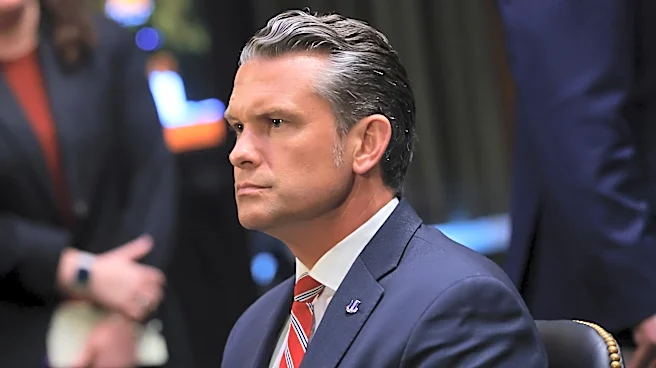
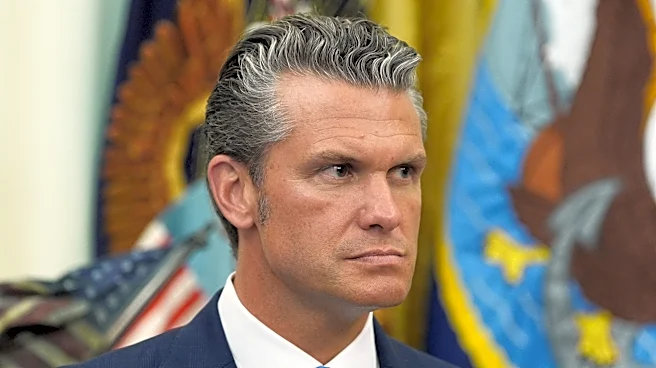
Defense Secretary Pete Hegseth has publicly denied reports that he is considering a presidential run in 2028. Claims, attributed to NBC and anonymous sources, suggested Hegseth saw himself as a successor to President Trump's 'Maga legacy' and intended
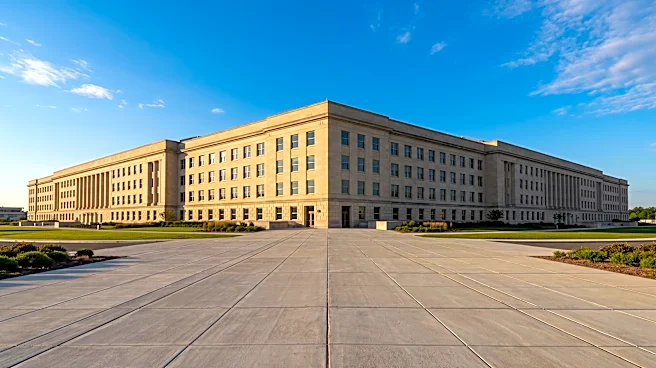
to campaign on defense and social issues. Hegseth dismissed these reports as '100 percent false' via a post on X, stating his sole focus is on his current department. This denial comes as Hegseth faces scrutiny for his oversight of the military, particularly regarding a series of blocked promotions for senior officers. Critics allege these actions are politically motivated and target individuals who previously worked with generals Hegseth reportedly disliked, including Gen. Randy George and Gen. Christopher T. Donahue. The Pentagon, however, maintains that promotions are merit-based and denies any role of race or gender in Hegseth's decisions.
Why It's Important?
Secretary Hegseth's actions and the surrounding controversy have significant implications for the U.S. military's leadership and morale. The alleged 'purge' of senior officers, as described by some critics, could undermine the military's traditional non-political structure and merit-based promotion system. Concerns have been raised within the military that Hegseth is pursuing personal vendettas and an unprecedented campaign against diversity, equity, and inclusion policies. This could lead to a less experienced or less diverse leadership, potentially impacting military effectiveness and readiness. The situation also highlights a broader tension between political appointees and career military personnel, raising questions about the balance of power and influence within the Pentagon. The ongoing debate about the politicization of military leadership could have long-term effects on recruitment, retention, and the overall health of the U.S. armed forces.
What's Next?
Secretary Hegseth is reportedly planning to summon top generals to Quantico to announce new military directives, though a date has not yet been set. This meeting is expected to continue his combative approach to military leadership, following his previous criticisms regarding physical fitness and 'unprofessional appearance.' The ongoing scrutiny of his promotion decisions is likely to persist, with potential for further investigations or public debate regarding the criteria and motivations behind these actions. The military community, including current and former service members, will be closely watching these developments for their impact on career progression and the institutional integrity of the armed forces. The political implications of Hegseth's actions, particularly in the context of his denied presidential ambitions, will also remain a subject of discussion among political observers and potential 2028 candidates.
Beyond the Headlines
The controversy surrounding Secretary Hegseth extends beyond immediate personnel decisions, touching upon fundamental principles of military leadership and civil-military relations. The allegations of politically motivated promotions and a campaign against diversity initiatives raise ethical questions about the role of political appointees in a non-partisan military. If true, such actions could erode trust within the ranks and among the public, potentially weakening the military's ability to attract and retain top talent. The long-term impact could be a shift in the military's cultural values and a departure from its traditional emphasis on meritocracy and apolitical service. This situation also reflects broader societal debates about diversity and inclusion, and how these values are integrated into national institutions, particularly those as critical as the armed forces. The outcome of this controversy could set precedents for future administrations regarding the extent of political influence over military operations and personnel.