




What's Happening?
Vladimir Putin has announced a 32-hour ceasefire in Ukraine over the Orthodox Easter weekend. This decision follows a proposal by Ukrainian President Volodymyr Zelenskyy, who suggested a pause in targeting each other's energy infrastructure during the holiday.
The ceasefire is set to begin at 4pm on Saturday and last until the end of Sunday. The Kremlin's statement emphasized that Russian troops are ordered to cease hostilities but remain prepared for any provocations. Previous ceasefire attempts have been largely ineffective, with both sides accusing each other of violations. The announcement comes as the conflict between Russia and Ukraine continues into its fifth year, with no significant progress in US-led peace talks.
Why It's Important?
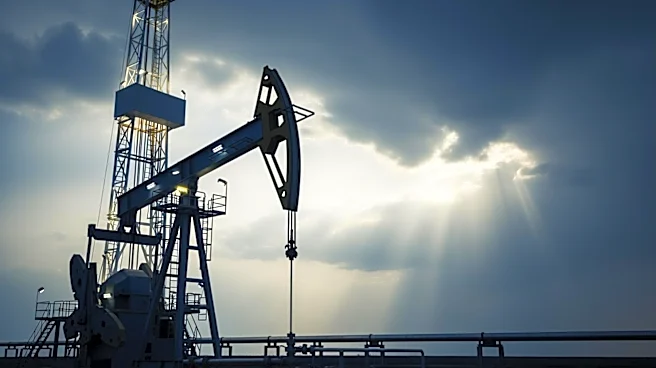
The ceasefire announcement is significant as it represents a temporary pause in hostilities in a conflict that has persisted for years, affecting regional stability and international relations. The ongoing war has strained resources and impacted global energy markets, with both countries being key players in energy supply. A successful ceasefire could pave the way for more comprehensive peace talks, potentially easing tensions and reducing the humanitarian impact on civilians. However, the history of failed ceasefires suggests skepticism about its effectiveness, highlighting the challenges in achieving lasting peace.
What's Next?
The immediate next step is the implementation of the ceasefire, with both sides expected to halt military actions. Observers will closely monitor compliance and any provocations that could undermine the truce. The international community, particularly the US and European nations, may continue diplomatic efforts to mediate and support a more permanent resolution. The outcome of this ceasefire could influence future negotiations and the broader geopolitical landscape, especially if it leads to renewed dialogue between Russia and Ukraine.