




What's Happening?
A federal judge has refused to block a land swap deal that would allow SpaceX to expand its operations into a protected wildlife area in Texas. U.S. District Judge Fernando Rodriguez Jr. denied a request for a preliminary injunction from environmental
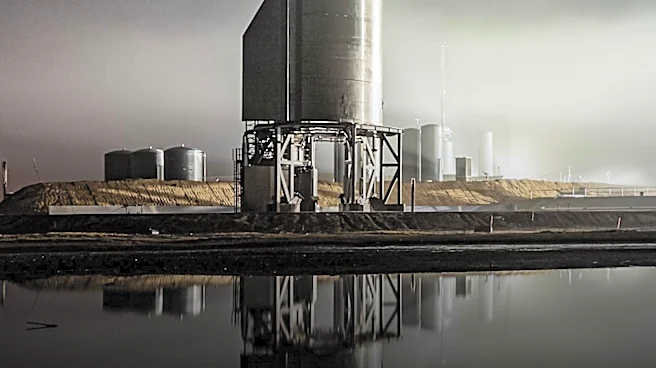
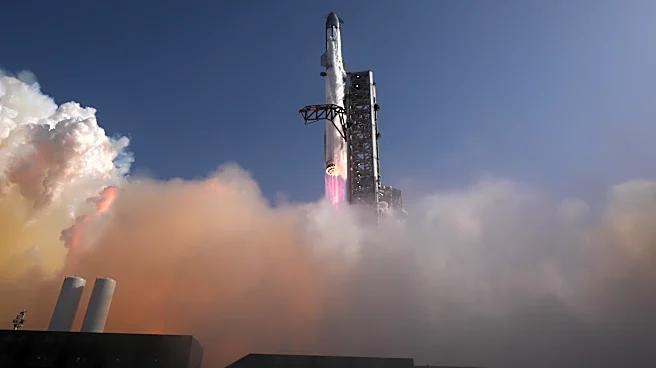
groups and tribal organizations, who sought to prevent the exchange. The deal, approved by the U.S. Fish and Wildlife Service in June, involves SpaceX surrendering 683 acres it owns in exchange for 725 acres of federal land within the Lower Rio Grande Valley National Wildlife Refuge. This federal land is located near SpaceX's Starbase factory and launch site in Boca Chica, Texas. The plaintiffs argued that the expansion would harm the environment and culturally significant sites, but the judge stated they failed to provide sufficient evidence that the property would suffer immediate aesthetic, environmental, cultural, or historical degradation during the lawsuit's pendency.
Why It's Important?
This ruling is significant for SpaceX's expansion plans in South Texas, as it clears a legal hurdle for the company to acquire land closer to its launchpad. The Lower Rio Grande Valley National Wildlife Refuge is home to thousands of species, including the endangered ocelot, and holds cultural and historical importance for the Native American Carrizo/Comecrudo Nation of Texas, as well as being the site of the Palmito Ranch Battlefield, the last land battle of the Civil War. The judge's decision prioritizes SpaceX's operational needs and contractual obligations, noting that an injunction would impose hardship on the company's ability to meet milestones. This highlights the ongoing tension between industrial development, particularly in the rapidly expanding space sector, and environmental conservation efforts, especially in ecologically sensitive areas.
What's Next?
Despite the judge's refusal to issue a preliminary injunction, the environmental groups and tribal organizations involved in the lawsuit have vowed to continue their legal challenge. Laiken Jordahl of the Center for Biological Diversity stated that the litigation will proceed, emphasizing the spiritual, historical, and conservation value of the lands. This indicates that while the immediate land swap may move forward, the legal battle over SpaceX's environmental impact and land use in the region is far from over. Future legal proceedings will likely focus on the long-term ecological consequences and the adequacy of environmental assessments conducted by federal agencies. SpaceX, having secured this ruling, is expected to proceed with its expansion plans, potentially leading to further development in the area.
Beyond the Headlines
The conflict over the SpaceX land swap in Texas encapsulates broader debates about economic development versus environmental protection and indigenous land rights. The case brings to light the challenges of balancing technological advancement and job creation with the preservation of biodiversity and cultural heritage. The judge's emphasis on the lack of immediate evidence of harm, while acknowledging the plaintiffs' concerns, underscores the legal complexities of proving future environmental degradation. This situation also reflects the growing footprint of private space companies and the need for robust regulatory frameworks to manage their impact on local ecosystems and communities. The ongoing legal battle could set precedents for how similar land use conflicts are resolved in the context of rapidly evolving industries.