







What's Happening?
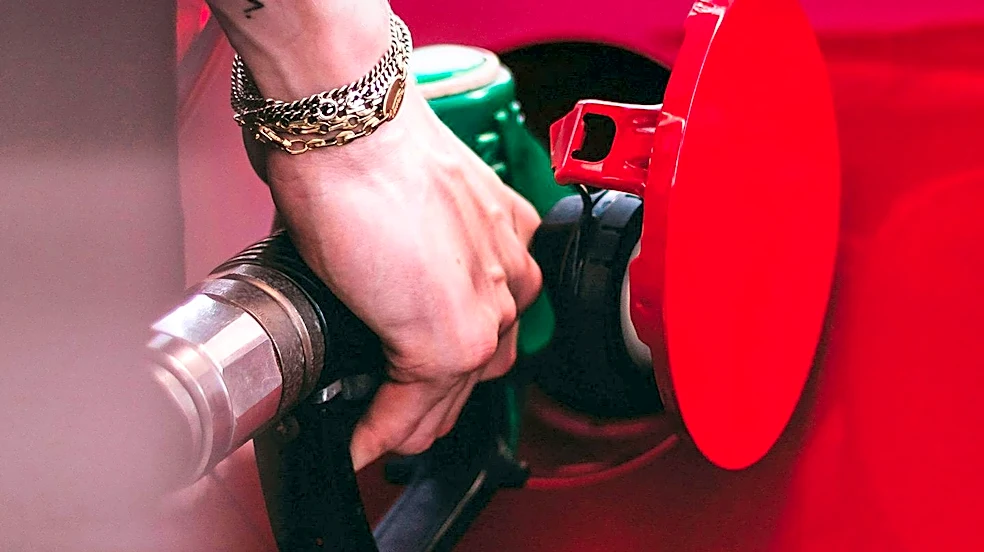
Indiana’s Environmental Rules Board has advanced two significant actions aimed at easing regulations for Hoosiers and fire departments. The board voted to permanently suspend low Reid vapor pressure (LRVP) fuel requirements for residents in Clark and Floyd
counties. These counties had been subject to more stringent gasoline standards since 1995 to meet Clean Air Act requirements for the Louisville Metropolitan Area. However, advancements in vehicle technology and changes in engine and fuel standards have rendered the emissions benefits from LRVP negligible, while imposing additional costs on consumers. Separately, the board amended Indiana’s open burning rule to exempt certain state fire agencies and the Indiana Department of Homeland Security (DHS) from needing prior authorization from the Indiana Department of Environmental Management (IDEM) for training-related burn exercises. Governor Mike Braun stated that these steps balance environmental protection with government efficiency, aiming to remove unnecessary burdens and cut red tape.
Why It's Important?
The suspension of LRVP fuel requirements is expected to provide direct financial relief to residents in Clark and Floyd counties. LRVP gasoline typically increases prices by 10 to 20 cents per gallon, and eliminating this requirement could save Indiana residents between $2.5 million and $5.1 million during a single summer fuel season. This change reflects a broader trend of re-evaluating environmental regulations in light of technological advancements and economic impact. For fire departments, the amendment to the open burning rule streamlines the process for conducting essential training burns. By reducing paperwork and administrative delays, the rule grants firefighters greater flexibility to perform hands-on training necessary for community safety. This move aligns with statutory changes enacted by the General Assembly in 2025 and aims to improve the operational efficiency of emergency services.
What's Next?
The permanent suspension of LRVP fuel requirements will take effect following the formal rulemaking process, which IDEM was required to complete after the U.S. EPA lifted similar requirements in Kentucky earlier this year. This will likely lead to lower gasoline prices for consumers in Clark and Floyd counties during summer months. For fire agencies, the exemption from prior authorization for training burns will immediately reduce administrative burdens, allowing for more timely and efficient training exercises. IDEM will continue its active engagement with federal counterparts, as directed by Senate Enrolled Act 277, to ensure federal environmental laws and their implementation serve the state of Indiana. This ongoing engagement suggests a proactive approach by Indiana to influence national environmental policy and tailor it to the state's specific needs and progress in areas like water quality improvement.
Beyond the Headlines
This regulatory shift highlights a growing emphasis on balancing environmental protection with economic practicality and administrative efficiency. The decision to eliminate LRVP requirements, initially implemented to address air quality concerns, underscores how scientific and technological progress can render older regulations obsolete or counterproductive. It also reflects a move towards localized regulatory control, allowing states to adapt environmental policies based on their specific conditions and advancements. The streamlining of training protocols for fire departments points to a broader effort to empower local agencies by reducing bureaucratic hurdles, potentially enhancing public safety and emergency preparedness. This approach, termed 'cooperative federalism' in Indiana's environmental law, suggests a model where states play a more active role in shaping and implementing federal environmental policies.