






What's Happening?
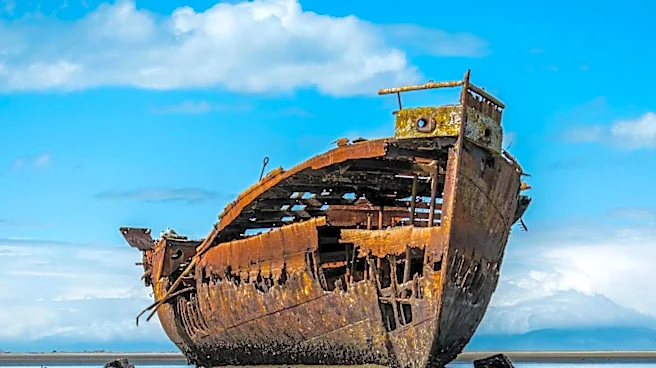
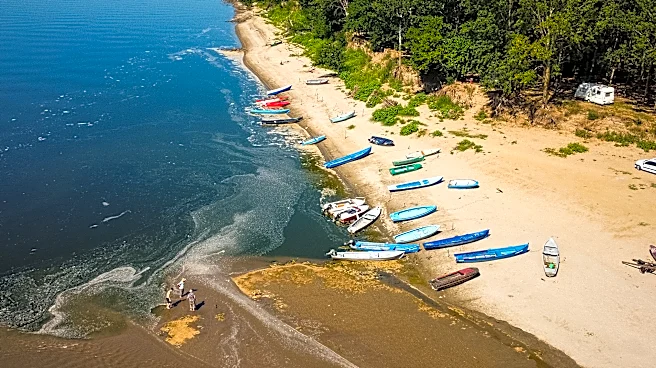
The European Union is undertaking a project to clear old Nazi warship wrecks from the Danube River, particularly near Prahovo, Serbia. These wrecks, remnants from World War II, were deliberately sunk by the German forces in 1944 to block the Red Army's
advance. The project, supported by the European Investment Bank (EIB) and the Western Balkans Investment Framework, aims to remove 21 of the most obstructive wrecks by 2028. The initiative is part of a broader effort to improve navigation and reduce economic losses in the region, as the debris has been causing significant delays in freight transport, costing Serbia millions annually.
Why It's Important?
This project is significant for several reasons. Economically, it aims to enhance the competitiveness of inland navigation in Serbia and the surrounding region by clearing obstructions that have historically delayed freight transport. The removal of these wrecks is expected to save Serbia approximately five million euros annually. Additionally, the project has historical and environmental implications, as it involves dealing with potentially dangerous materials, such as unexploded ammunition, which could pose risks during salvage operations. The initiative also reflects broader EU efforts to invest in infrastructure and economic development in the Western Balkans, promoting regional stability and integration.
What's Next?
The project is set to continue until 2028, with ongoing salvage operations to remove the remaining wrecks. The EIB has already granted a subsidy of 16 million euros to support these efforts. As the project progresses, it will likely involve further collaboration with local authorities and international partners to ensure safe and effective removal of the wrecks. The success of this initiative could serve as a model for similar projects in other regions affected by historical wartime debris.