



What's Happening?
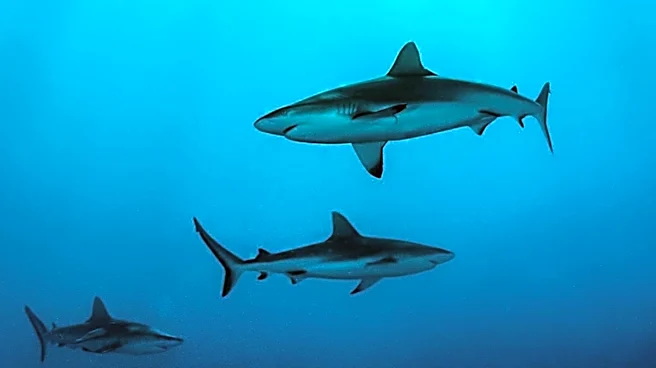
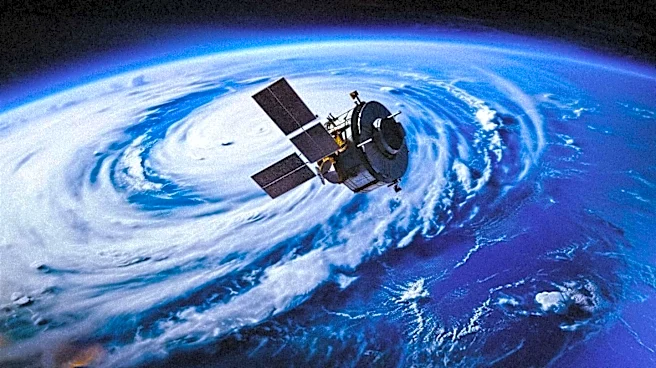
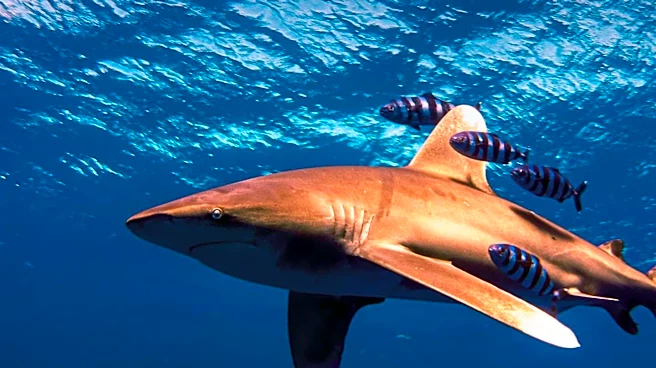
Scientists are using sharks equipped with electronic sensors to improve hurricane forecasts. These sensors collect data on ocean temperature, depth, and salinity, which are crucial for predicting storm strength. Sharks, such as mako and blue sharks, are ideal
for this task due to their mobility and frequent surfacing. This innovative approach creates a 'living network' of ocean sensors, providing valuable data for weather models.
Why It's Important?
Accurate hurricane forecasts are vital for coastal communities, especially those with limited resources to recover from storms. By providing better data on ocean conditions, shark tracking can enhance the accuracy of storm predictions, giving communities more time to prepare. This method is cost-effective and covers a wider area than traditional monitoring techniques, offering a model for other regions to adopt.
What's Next?
As more sharks are tagged, the data collected will continue to improve hurricane forecasting. This approach could be expanded to other marine species and regions, enhancing global weather prediction capabilities. The integration of this data into existing weather models will be crucial for maximizing its impact on storm preparedness and response.
Beyond the Headlines
This research highlights the potential for innovative solutions in addressing climate-related challenges. It also emphasizes the importance of interdisciplinary collaboration between marine biology and meteorology. The use of sharks as data collectors challenges traditional perceptions of these animals and showcases their value in scientific research.