


What's Happening?
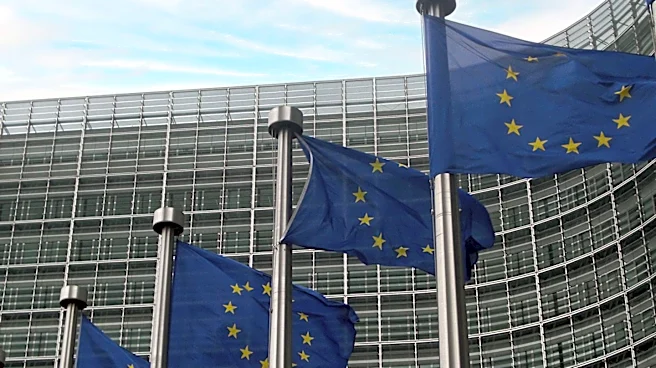
The European Commission has established a new EU Sanctions Office and appointed Lars Danielsson as the International Special Envoy for the Implementation of EU Sanctions. These changes are set to take effect on January 16, 2027, with Mr. Danielsson assuming
his role on February 6, 2027. The new office aims to centralize the Commission's expertise across the entire sanctions lifecycle, from policy design to implementation, enforcement, and anti-circumvention efforts. This initiative is designed to improve coordination with Member States and third countries, ensuring harmonized implementation and enforcement of EU sanctions across various regimes, including those targeting Russia, Belarus, Iran, North Korea, Syria, and organized crime. The office will provide Member States with faster compliance guidance, data sharing, and economic and technical analysis, while supporting the Envoy in preventing circumvention through engagement with partner countries.
Why It's Important?
The creation of the EU Sanctions Office and the appointment of a dedicated Envoy signify a significant strengthening of the European Union's approach to economic sanctions. This move reflects the EU's recognition of sanctions as a critical foreign policy tool, especially in response to major international challenges like Russia's invasion of Ukraine. By consolidating expertise and streamlining processes, the EU aims to make its sanctions regimes more effective, robust, and difficult to circumvent. This enhanced coordination will likely lead to more consistent application of sanctions across member states, reducing loopholes and increasing the overall impact on targeted entities and countries. For U.S. businesses and financial institutions operating internationally, this development means a more unified and potentially more stringent sanctions landscape in Europe, requiring increased vigilance and compliance efforts to avoid inadvertent violations or exposure to sanctioned activities.
What's Next?
Effective January 16, 2027, the EU Sanctions Office will begin its operations, with Lars Danielsson taking up his post as Special Envoy on February 6, 2027. The office will immediately focus on supporting Member States with compliance guidance, data sharing, and analytical support to ensure harmonized implementation of existing sanctions. The Envoy will engage with third countries to prevent circumvention, particularly concerning alternative trade routes, financial channels, and procurement networks. This could lead to increased diplomatic efforts and potential pressure on countries perceived as facilitating sanctions evasion. Businesses, especially those with global operations, should anticipate a more rigorous enforcement environment from the EU, potentially leading to updated compliance requirements and heightened scrutiny of international transactions involving sanctioned regions or entities.
Beyond the Headlines
The establishment of the EU Sanctions Office and the appointment of a Special Envoy represent a strategic evolution in the EU's foreign policy toolkit, moving towards a more proactive and integrated approach to economic coercion. This institutionalization of sanctions expertise could set a precedent for other international bodies or blocs seeking to enhance their geopolitical influence through economic means. It also underscores a growing global trend where economic sanctions are becoming a primary instrument of international relations, often in lieu of direct military intervention. The long-term implications include a potential shift in global trade dynamics as countries and corporations adapt to a more complex and interconnected web of international sanctions, fostering greater demand for specialized compliance expertise and potentially leading to the development of new financial technologies designed to navigate or circumvent these restrictions.