






What's Happening?
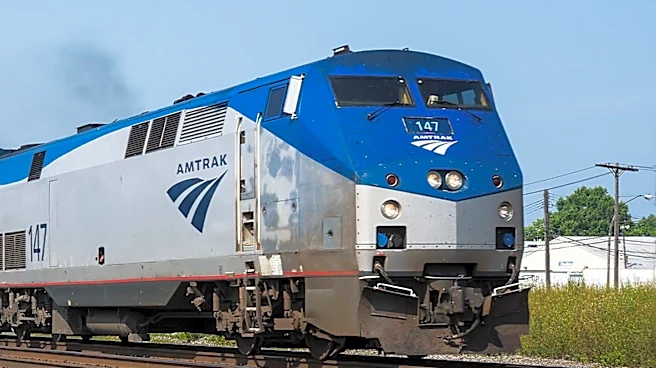
Amtrak, the national passenger railroad company, provides five distinct overnight train journeys across the United States. These routes offer onboard sleeping options, including private cabins with beds and hotel-like amenities, as well as meal services.
Unlike some other rail options where travelers sleep in hotels, Amtrak's true overnight trains allow passengers to sleep and dine on board, creating a 'hotel on rails' experience. Dan Reisig, communications manager for Railbookers, highlights these journeys for their unique scenery and comfortable travel. The Empire Builder, for instance, is a 46-hour journey connecting Chicago with Seattle and Portland, passing through states like Wisconsin, Minnesota, North Dakota, Montana, and Idaho, and offering views of Glacier National Park. Other notable routes include the Southwest Chief, California Zephyr, Texas Eagle, and Coast Starlight, each providing varying durations and scenic experiences.
Why It's Important?
The availability of these overnight train journeys by Amtrak is significant for the U.S. travel and tourism industry. While overnight train travel is more common in Europe, Amtrak's offerings provide a unique domestic travel option that combines transportation with a leisure experience. This caters to a niche market of travelers seeking scenic routes, comfort, and a relaxed pace, potentially drawing tourists who prefer an alternative to air or car travel. The 'hotel on rails' concept, with its private cabins and dining services, enhances the appeal of train travel, contributing to local economies along the routes through passenger spending at destinations. It also highlights the role of national infrastructure in providing diverse travel experiences and potentially reducing the environmental impact associated with other modes of long-distance transportation.
What's Next?
As interest in unique travel experiences continues to grow, Amtrak may see increased demand for its overnight train journeys. The company could explore expanding its offerings, enhancing existing amenities, or promoting these routes more widely to attract a broader demographic of travelers. Potential reactions from stakeholders might include increased investment in rail infrastructure to support these services, or partnerships with tourism boards in the states traversed by these routes to further boost regional tourism. The success of these 'hotel on rails' experiences could also influence other private rail operators to consider similar models, although Amtrak currently holds a unique position in providing such long-distance, onboard sleeping services in the U.S.
Beyond the Headlines
The emphasis on 'hotel on rails' experiences by Amtrak points to a broader cultural shift in how Americans perceive travel. Beyond mere transportation, there's a growing appreciation for the journey itself as part of the vacation. This trend could lead to a resurgence in nostalgic forms of travel, where the pace is slower, and the focus is on observation and relaxation rather than speed. Environmentally, promoting train travel as an alternative to flying could align with broader sustainability goals, offering a lower-carbon footprint option for long-distance trips. The unique vantage points offered by these train routes also preserve and highlight the natural beauty and diverse landscapes of the U.S., fostering a deeper connection to the country's geography and history.