





What's Happening?
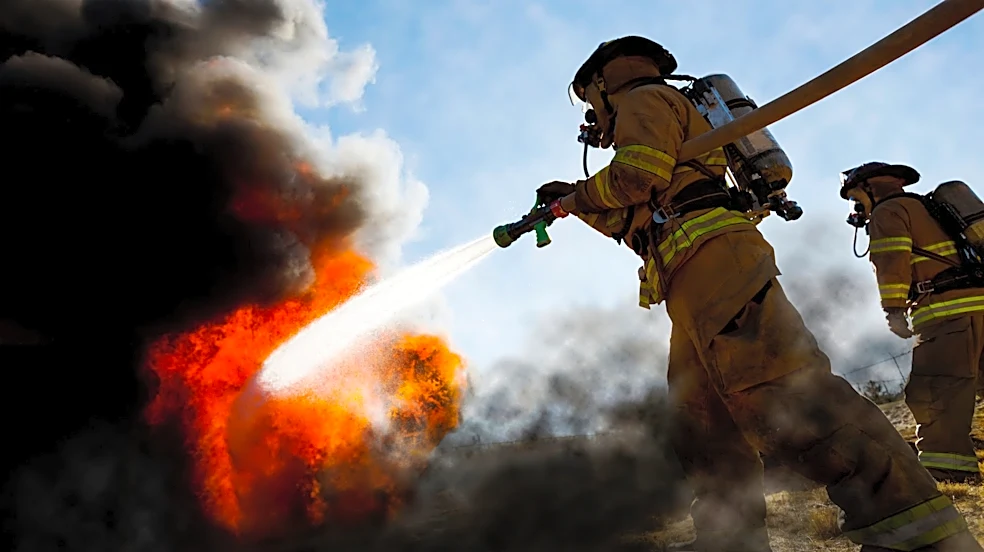
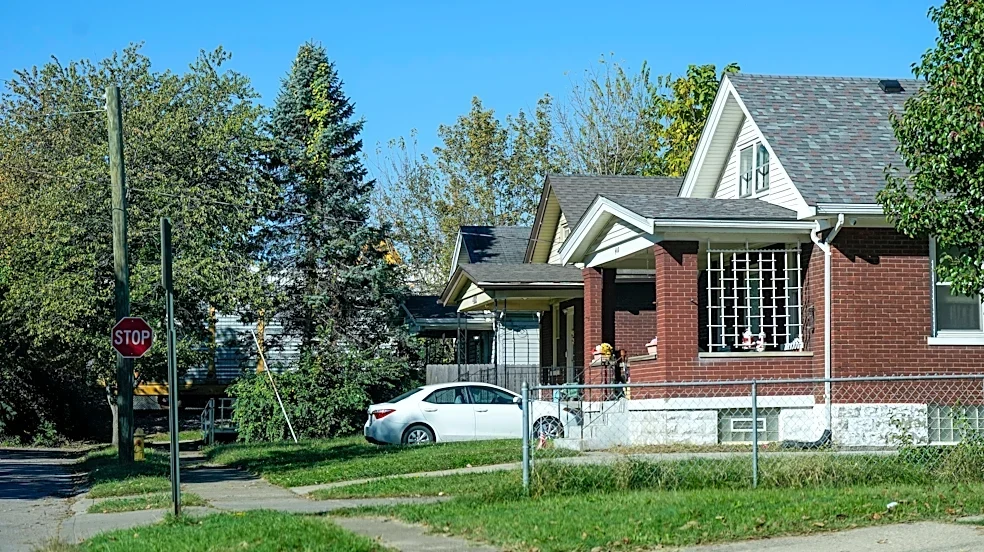
Paso Robles City Fire conducted a training exercise on Riverside Avenue, which initially appeared to be a house fire to the public. The drill involved a first-alarm response at a home that is slated for demolition. Firefighters utilized three homes designated
for tearing down as opportunities for practical training. Officials clarified that the smoke observed during the exercise was merely roof dust and posed no hazard to the public. This type of controlled environment allows fire crews to practice their skills and procedures in a realistic setting without endangering the community.
Why It's Important?
Training exercises like the one conducted by Paso Robles firefighters are crucial for maintaining and enhancing the operational readiness of emergency services. By simulating real-life scenarios in controlled environments, firefighters can refine their techniques, improve coordination, and test equipment under conditions that closely mimic actual emergencies. This proactive approach ensures that when genuine incidents occur, the fire department is well-prepared to respond effectively, minimizing risks to both the public and their personnel. The use of structures scheduled for demolition provides an invaluable resource for realistic training that cannot be replicated in standard drills, ultimately leading to better public safety outcomes.
What's Next?
While the immediate training exercise is complete, the Paso Robles City Fire Department will likely continue to seek out similar opportunities for drills, particularly with properties slated for demolition. These types of exercises are an ongoing component of firefighter training and development. The department will also likely debrief on the recent exercise to identify areas of strength and areas for improvement in their response protocols. This continuous cycle of training, evaluation, and refinement is essential for all emergency services to adapt to new challenges and maintain high standards of public safety.
Beyond the Headlines
The public's initial perception of a real house fire highlights the importance of clear communication from emergency services during training exercises. While the drill was necessary for firefighter readiness, the visual impact of smoke can cause alarm within the community. This incident underscores the delicate balance between conducting realistic training and managing public perception and anxiety. Effective public notification systems and community outreach efforts can help mitigate such concerns, ensuring that residents understand the nature of these activities and feel reassured about their safety. It also subtly points to the resourcefulness of fire departments in utilizing available structures for critical training purposes, turning potential waste into valuable learning opportunities.