








What's Happening?
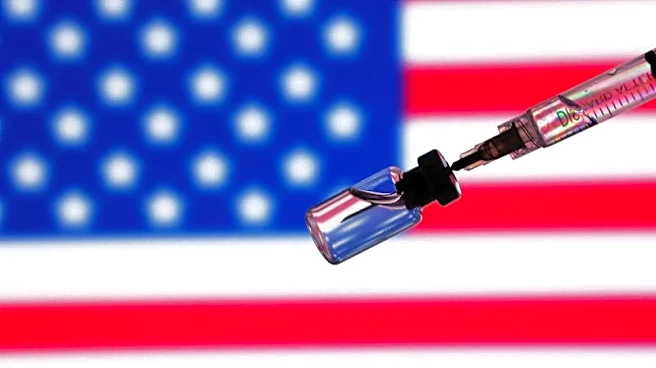
Researchers are exploring the use of mRNA technology to develop a vaccine for HIV, a virus that has long resisted traditional vaccine efforts. The technology, which was pivotal in the development of COVID-19 vaccines, allows for rapid iteration and testing
of vaccine candidates. This approach is seen as promising due to its ability to quickly adapt to the virus's mutations. However, the research faces significant funding challenges, particularly due to cuts in U.S. government support under President Trump's administration. Despite these setbacks, researchers remain hopeful that mRNA technology could lead to a breakthrough in HIV prevention.
Why It's Important?
The development of an effective HIV vaccine could have a profound impact on global health, potentially reducing the incidence of new infections and saving millions of lives. The use of mRNA technology represents a significant advancement in vaccine development, offering a faster and more flexible approach to tackling complex viruses like HIV. However, the reduction in U.S. funding poses a significant threat to the progress of this research. The U.S. has historically been a major funder of HIV research, and the withdrawal of support could slow down or halt promising studies, delaying potential breakthroughs.
What's Next?
Researchers are continuing to test various mRNA vaccine candidates in clinical trials, seeking to find the most effective formulation. Meanwhile, they are also exploring alternative funding sources to continue their work. The scientific community is closely watching these developments, as a successful HIV vaccine could revolutionize the field of infectious disease prevention. The outcome of these efforts will depend heavily on the ability to secure adequate funding and navigate the political landscape that currently challenges the research.