






What's Happening?
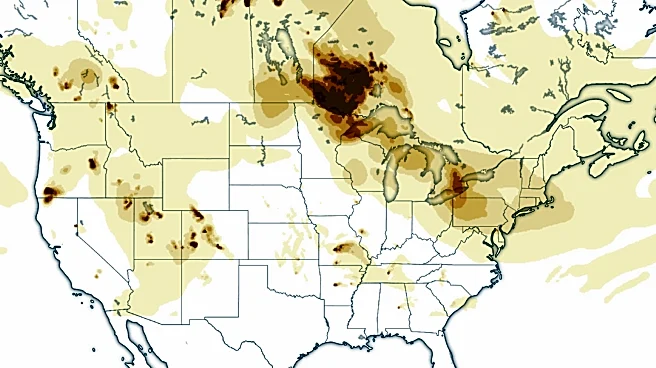
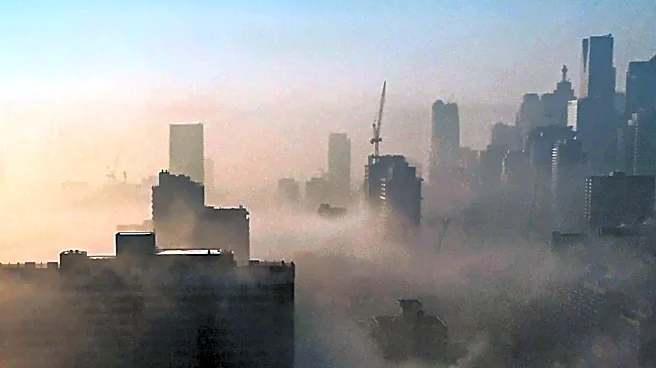
A significant number of U.S. cities, including Chicago, Detroit, Milwaukee, Pittsburgh, and Washington, are experiencing severe air quality issues due to smoke from Canadian wildfires. The smoke has resulted in air quality index (AQI) ratings exceeding
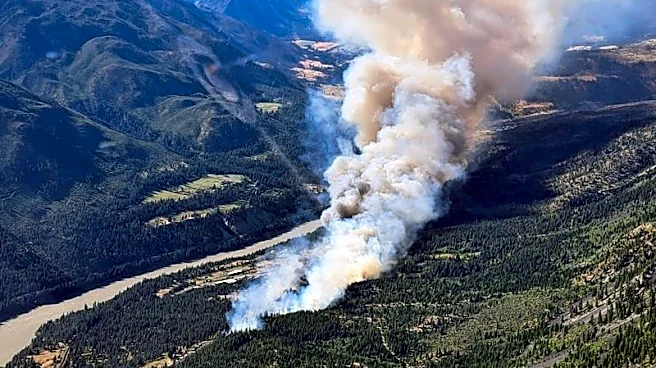
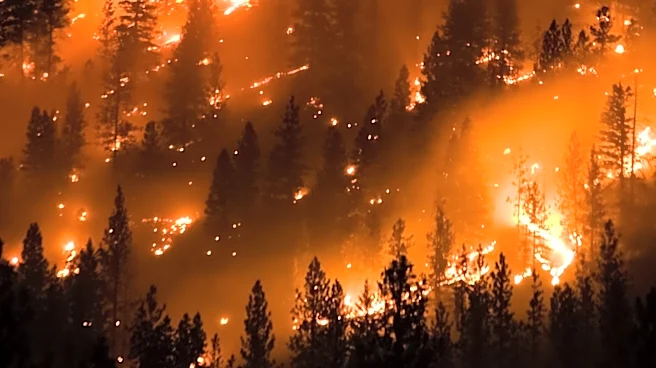
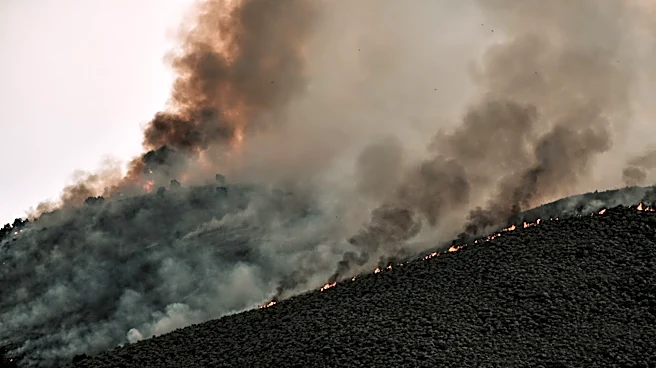
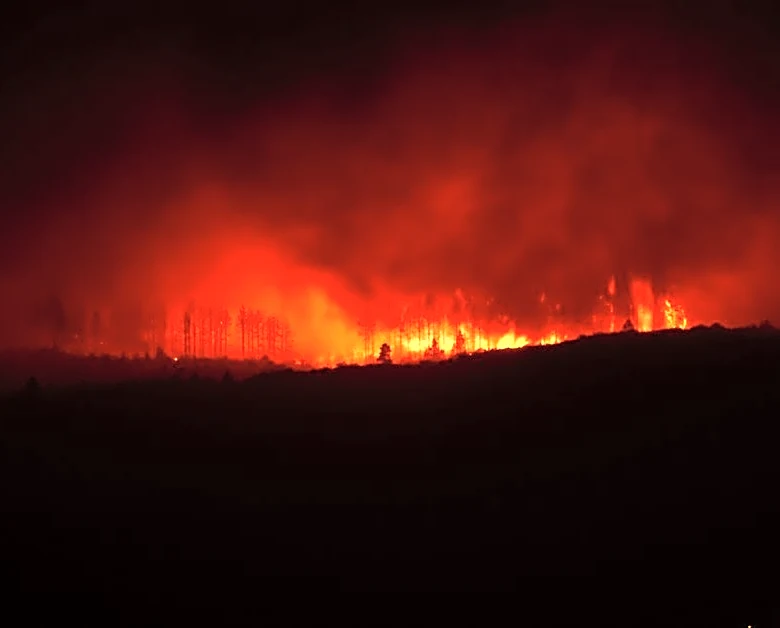
200, which is considered very unhealthy. In some areas of Michigan, Ohio, and Wisconsin, AQI levels have reached the 300s, prompting public health officials to issue air quality advisories and suspend certain government operations. New York has initiated emergency operations, distributing free KN95 masks and opening shelter spaces. Philadelphia has suspended trash pickup and closed public pools due to the deteriorating air quality. The smoke, originating from over 800 active wildfires in Canada, is being carried south by wind patterns, affecting more than 100 million people across 18 states and the District of Columbia.
Why It's Important?
The widespread air quality issues pose significant health risks, particularly for vulnerable populations such as children, the elderly, and individuals with pre-existing respiratory or heart conditions. The presence of PM2.5 particles, which are small enough to penetrate deep into the lungs and enter the bloodstream, exacerbates these risks. The situation highlights the broader implications of climate-related events, as the frequency and intensity of wildfires are expected to increase with climate change. This event underscores the need for robust public health responses and preparedness to mitigate the impact of such environmental crises on public health and safety.
What's Next?
As the wildfires in Canada continue to burn, U.S. cities are likely to experience ongoing air quality challenges. Public health officials may need to extend advisories and continue emergency measures to protect residents. There may also be increased pressure on policymakers to address the root causes of such environmental issues, including climate change and forest management practices. In the short term, individuals in affected areas are advised to limit outdoor activities, use air purifiers indoors, and wear high-quality masks when outside to reduce exposure to harmful particles.