





What's Happening?
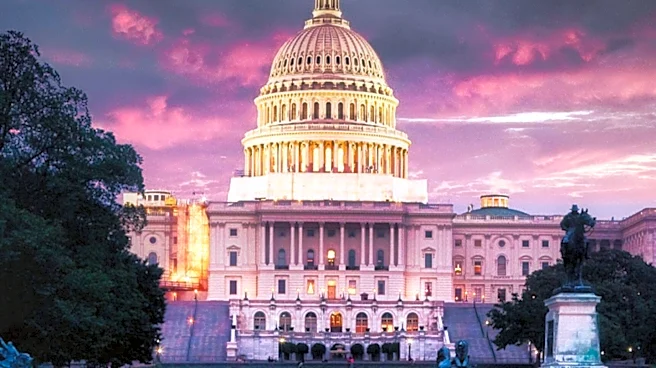
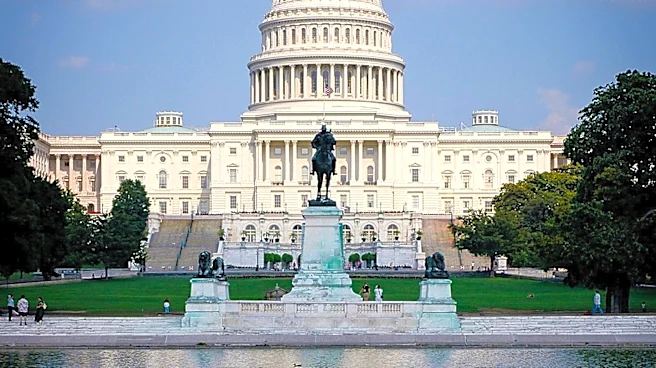
The U.S. House of Representatives has passed the American Music Tourism Act by formally adopting S. 195, the Senate's version of the bipartisan bill. This legislation, which previously passed the Senate by unanimous consent in May 2025, now heads to President
Trump's desk for signature. The bill directs the Commerce Department's top tourism official to identify and promote the country's most significant music destinations to both domestic and international travelers. These destinations are broadly defined to include festivals, concerts, venues of all sizes, studios, and museums. California Representative Nanette Barragán co-led the House's effort alongside Tennessee Rep. Diana Harshbarger, while Senator Marsha Blackburn of Tennessee led the Senate bill. The legislation mandates that one year after its enactment, the assistant secretary must report on the progress and any shortcomings of this initiative. Notably, Harshbarger's office has stated that the plan will not require additional taxpayer funding.
Why It's Important?
This act is significant for the U.S. tourism and entertainment industries, particularly for independent venues and music festivals. By directing the Commerce Department to actively promote music tourism, the legislation aims to boost economic activity in areas hosting these events. The National Independent Venue Association (NIVA) has championed the bill, with its Executive Director Stephen Parker highlighting that traveling fans contribute financially to hotels, restaurants, and shops surrounding independent venues and festivals. This influx of tourism can create jobs, support local businesses, and generate tax revenue, benefiting communities across the country. For genres like electronic dance music, which frequently draw large out-of-state and international audiences, the bill's explicit inclusion of festivals is particularly impactful. The focus on identifying and promoting diverse music destinations could also help preserve and highlight America's rich musical heritage.
What's Next?
The American Music Tourism Act now awaits President Trump's signature to become law. Once enacted, the Commerce Department's top tourism official will begin the process of identifying key music destinations across the U.S. and developing strategies to promote travel to these locations. Within one year of the bill becoming law, the assistant secretary will be required to submit a report detailing the progress and any challenges encountered in implementing the initiative. Stakeholders, including the National Independent Venue Association and various music industry groups, will likely monitor the implementation closely to ensure the program effectively supports music tourism. The success of this initiative could lead to increased collaboration between government agencies and the private sector in promoting cultural tourism.
Beyond the Headlines
Beyond its immediate economic benefits, the American Music Tourism Act could foster a deeper appreciation for American culture and creativity both domestically and internationally. By formally recognizing and promoting music destinations, the U.S. government is implicitly valuing the cultural contributions of its music industry. This could lead to increased investment in music infrastructure, preservation efforts for historic music sites, and educational programs related to music. The act also sets a precedent for how cultural assets can be leveraged for economic development without necessarily requiring new taxpayer funding, as emphasized by Representative Harshbarger's office. Furthermore, it could inspire similar initiatives in other cultural sectors, encouraging a broader governmental role in promoting arts and culture as drivers of tourism and economic growth.