
What's Happening?
A recent discussion at the EWCL's 20th year summit highlighted the need for conservation efforts to adopt a more optimistic and evidence-based approach. The conversation, featuring Crystal DiMiceli, emphasized
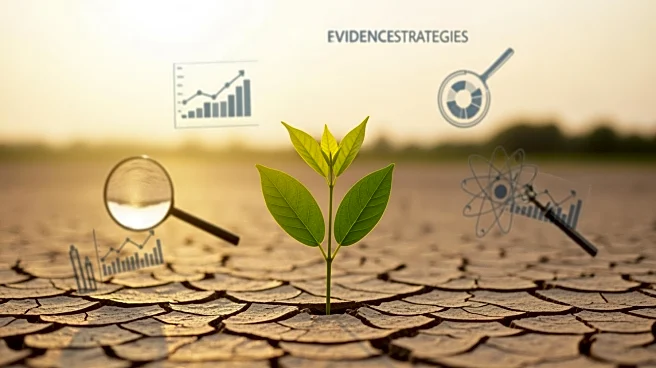
the importance of sustaining engagement without distorting reality. The discussion pointed out that while conservation is not short on ambition, it often struggles with maintaining long-term engagement due to overwhelming negative news. The summit suggested that optimism should be treated as a method, focusing on verified accounts of positive developments and breaking down large challenges into visible outcomes. This approach aims to restore a sense of agency among people by showing tangible results, such as cleaner water and recovering fisheries. The emphasis on evidence and transparency is seen as crucial in an environment where disinformation and declining trust in expertise are prevalent.
Why It's Important?
The shift towards an optimistic and evidence-based approach in conservation is significant as it addresses the fatigue and disengagement caused by constant negative news. By focusing on tangible outcomes and transparency, conservation efforts can build credibility and maintain public engagement. This approach not only helps in fundraising and building political will but also in creating broad constituencies around conservation goals. The emphasis on evidence allows for more effective communication with decision-makers, ensuring that conservation efforts are relevant and impactful. This strategy is particularly important in the current information environment, where credibility and trust are crucial for long-term success.
What's Next?
Conservation organizations are encouraged to adopt a 'spinoff' approach, where a core narrative is published for a general audience, followed by targeted communications for specific decision-makers. This method aims to provide clear evidentiary steps and enforcement pathways to encourage action. The focus on relevance and evidence is expected to help conservation groups navigate legal pressures and maintain credibility. By demonstrating transparency and rigor, these organizations can build a foundation for regulators, prosecutors, and civil society groups to act upon.
Beyond the Headlines
The emphasis on optimism and evidence in conservation highlights a broader cultural shift towards transparency and accountability. This approach not only benefits conservation efforts but also sets a precedent for other sectors facing similar challenges. By prioritizing evidence and transparency, organizations can foster trust and engagement, which are essential for addressing complex global issues. This strategy also encourages a more participatory approach, allowing individuals to see the impact of their contributions and stay engaged over the long term.