







What's Happening?
Press freedom worldwide has reached its lowest point in 25 years, according to the World Press Freedom Index by Reporters Without Borders (RSF). The index reveals that less than 1% of the global population now lives in countries where press freedom is
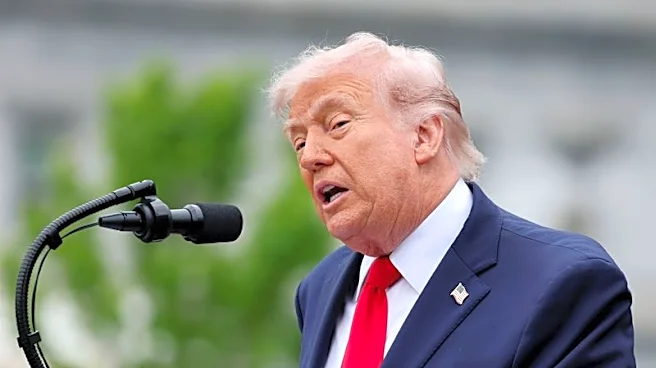
considered 'good', a significant drop from 20% in 2002. The decline is attributed to the expansion of restrictive legal measures, particularly national security laws, which have been used to criminalize journalism. The report highlights that political hostility, economic pressures, and under-regulated online platforms are major contributors to this decline. The United States has also seen a drop in its press freedom ranking, now placed at 64th, influenced by President Trump's policies and rhetoric against the media. The report also notes the impact of the Trump administration's decision to cut funding to the US Agency for Global Media, affecting organizations like Voice of America and Radio Free Europe.
Why It's Important?
The decline in press freedom has significant implications for democracy and the free flow of information. In the U.S., the drop in press freedom ranking reflects growing challenges for journalists, including political hostility and economic pressures. This environment can lead to self-censorship and a less informed public, undermining democratic processes. Globally, the criminalization of journalism and restrictive laws threaten the ability of the press to hold power accountable. The reduction in funding for international media outlets limits access to reliable information in countries with restricted press freedom, potentially increasing misinformation and propaganda. The report underscores the need for effective measures to protect journalists and ensure press freedom as a catalyst for change.
What's Next?
The report calls for an end to the criminalization of journalism and the misuse of national security laws. It emphasizes the need for international cooperation to protect journalists and promote press freedom. In the U.S., there may be increased advocacy for policy changes to support media organizations and protect journalists from political and economic pressures. Globally, the report suggests that inaction on press freedom issues could be seen as endorsement of authoritarian practices. The international community may need to address these challenges through diplomatic channels and support for independent media.
Beyond the Headlines
The decline in press freedom also raises ethical and cultural concerns. The increasing use of strategic lawsuits against public participation (Slapps) and the systematic obstruction of journalists highlight the need for legal reforms to protect press freedom. The report also points to the role of online platforms in the decline of press freedom, suggesting a need for better regulation to prevent the spread of misinformation and protect journalistic integrity. The cultural impact of restricted press freedom can lead to a less informed and more polarized society, affecting public discourse and democratic engagement.