


What's Happening?
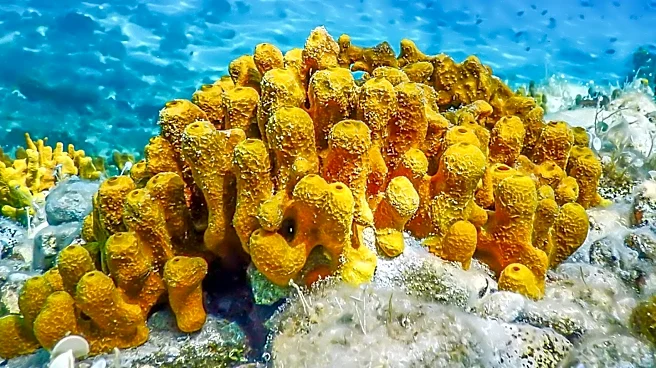
The Mediterranean Sea is experiencing significant warming due to climate change, primarily driven by the burning of fossil fuels. This warming has led to the introduction and spread of hundreds of invasive fish species, which are decimating native populations.
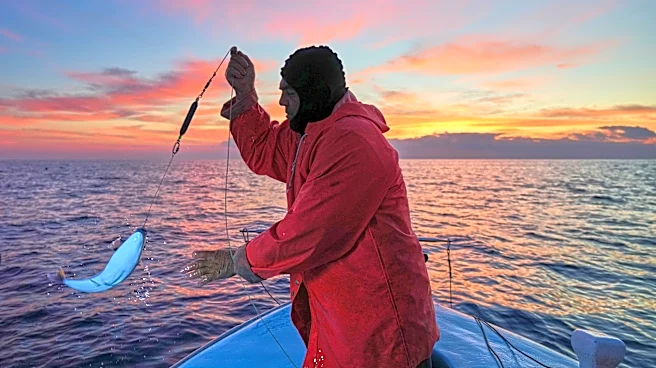
Scientists have identified the Mediterranean as a climate change 'hot spot,' with temperatures expected to rise by 2 to 6 degrees Celsius by 2100. The enclosed nature of the sea prevents heat dissipation, exacerbating the warming effect. Invasive species such as the spotted puffer fish and lionfish are moving towards France and Spain, having entered through the Suez Canal. These species pose a threat to local biodiversity and the livelihoods of coastal communities that rely on traditional fishing practices.
Why It's Important?
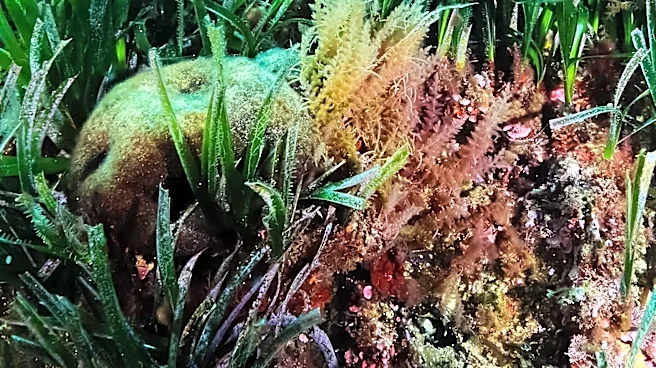
The warming of the Mediterranean Sea and the influx of invasive species have significant implications for biodiversity and local economies. Indigenous species are being outcompeted and displaced, leading to a loss of biodiversity. This shift threatens the traditional fishing industries that many coastal communities depend on for their livelihoods. The presence of toxic species like the puffer fish also poses health risks to humans. The situation underscores the urgent need for global action to reduce fossil fuel use and mitigate climate change impacts. The spread of invasive species highlights the interconnectedness of ecosystems and the far-reaching consequences of environmental changes.
What's Next?
Efforts to mitigate the impact of invasive species include commercializing edible invasives and paying fishers to catch inedible ones for disposal. Scientists are also exploring ways to prevent further migration of these species by treating ballast waters in ships and using special paints on hulls. Fishing policies are being amended to support the recovery of native species. The challenge moving forward will be to restore the environment and find sustainable solutions to preserve biodiversity in the Mediterranean.
Beyond the Headlines
The situation in the Mediterranean serves as a microcosm of the broader challenges posed by climate change. It highlights the need for international cooperation and innovative solutions to address environmental issues. The spread of invasive species also raises ethical questions about human intervention in natural ecosystems and the responsibility to protect biodiversity. Long-term, the changes in the Mediterranean could serve as a warning for other regions facing similar threats.