






What's Happening?
A recent study published in The Lancet questions the long-held belief that increased water intake alone can prevent kidney stones. The research involved over 1,600 participants with a history of kidney stones, who were encouraged to drink more fluids.
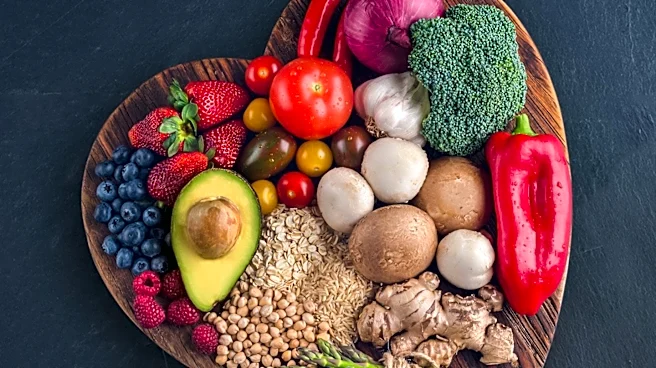
Surprisingly, the study found no significant reduction in kidney stone recurrence among those who increased their water intake compared to those who did not. This challenges the conventional wisdom that hydration is the key to preventing kidney stones. The study suggests that while hydration is important, it should be part of a broader strategy that includes dietary changes. Key dietary recommendations include reducing sodium intake, maintaining adequate calcium levels, limiting animal protein, and avoiding high-oxalate foods. These measures help regulate urine composition, reducing the likelihood of stone formation.
Why It's Important?
The findings of this study have significant implications for public health advice regarding kidney stone prevention. Kidney stones are a common and painful condition with a high recurrence rate, affecting a significant portion of the population. The study suggests that relying solely on increased water intake may not be sufficient for effective prevention. This could lead to a shift in medical guidelines and public health strategies, emphasizing a more comprehensive approach that includes dietary modifications. Such changes could potentially reduce the incidence of kidney stones and improve the quality of life for those at risk. Additionally, the study highlights the need for personalized prevention plans that consider individual dietary habits and health conditions.