


What's Happening?
Amin Nasser, the President and CEO of Saudi Aramco, has withdrawn from attending the CERAWeek energy conference in Houston due to the ongoing conflict with Iran. This decision underscores the severity of the situation, as Nasser is typically a prominent
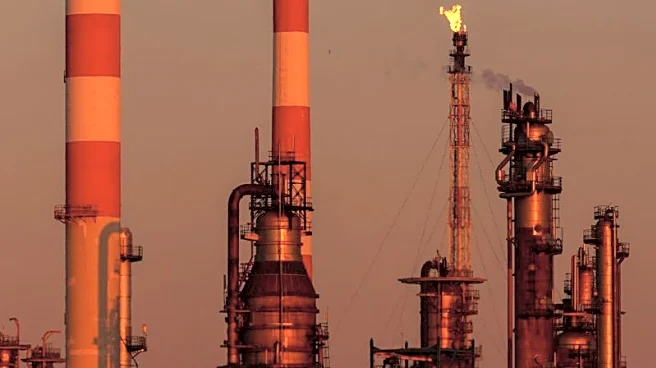
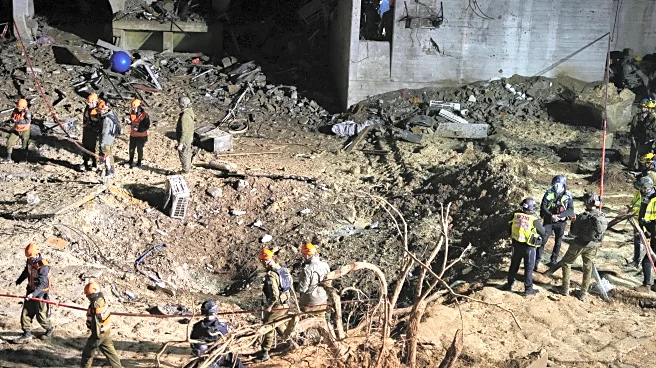
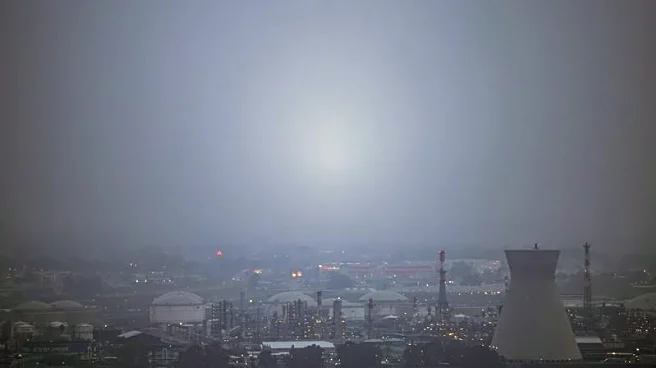
figure at this major industry event. The conflict, which has been ongoing for four weeks, has resulted in over 2,000 casualties and has significantly disrupted global markets. Iranian retaliatory actions have led to the closure of the Strait of Hormuz and targeted energy infrastructure in the Gulf, including facilities operated by Aramco. The CERAWeek conference, organized by S&P Global, is a key gathering for energy executives and policymakers to discuss the future of the global energy market. Nasser's absence, along with the lack of a recorded message, highlights the challenges faced by the energy sector amid escalating tensions.
Why It's Important?
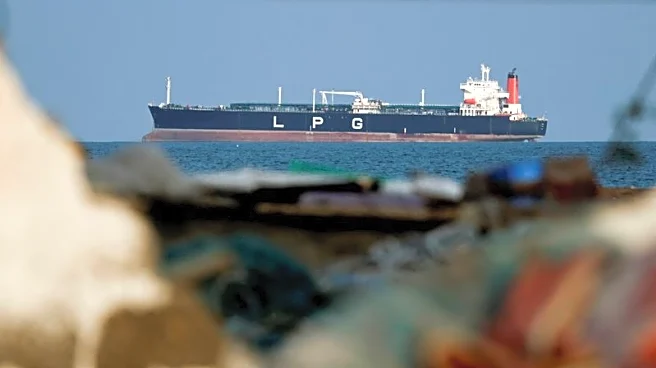
The absence of Amin Nasser from CERAWeek is significant as it reflects the broader impact of the Iran conflict on the global energy sector. The Strait of Hormuz is a critical chokepoint for oil transportation, and its closure has the potential to disrupt a fifth of the world's oil supply. This situation poses a threat to global energy security and could lead to increased volatility in oil prices. The conflict also raises concerns about the safety and security of energy infrastructure in the Gulf region, which is vital for global energy markets. The potential for further escalation, as indicated by threats from both the U.S. and Iran, could exacerbate these issues, affecting energy prices and supply chains worldwide.
What's Next?
The ongoing conflict between Iran and the U.S. is likely to continue influencing the global energy market. Stakeholders in the energy sector will be closely monitoring developments, particularly any actions that might lead to the reopening of the Strait of Hormuz. The international community may seek diplomatic solutions to de-escalate tensions and ensure the security of energy supplies. Energy companies and policymakers will need to assess the risks and develop strategies to mitigate the impact of the conflict on their operations and the broader market. The situation remains fluid, and further developments could have significant implications for global energy security.