






What's Happening?
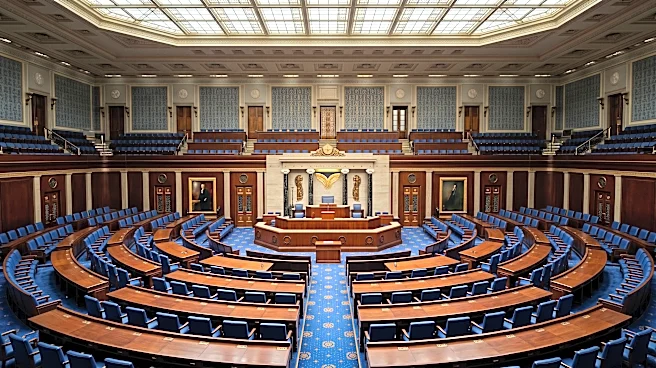
Congressman Mark DeSaulnier has introduced the Better Transit for Riders Act, a legislative initiative aimed at improving public transportation across the United States. The bill seeks to foster greater coordination among transit agencies operating within
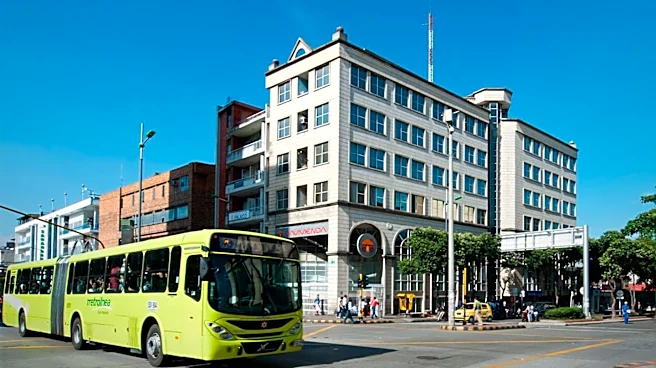
the same metropolitan areas. A key component of this legislation is the establishment of a task force. This task force will comprise representatives from transit agencies, local governments, planning organizations, labor groups, community stakeholders, and other relevant experts. Its primary objective will be to develop comprehensive recommendations for enhancing transit operations and securing long-term funding. The task force will address critical issues such as travel times, missed connections, service reliability, integrated fares and payment systems, safety protocols, regional planning, and access to 'first-and-last-mile' transportation solutions. This proposal comes at a time when national transit ridership remains below pre-pandemic levels, and many agencies, including BART, are facing significant financial challenges. The legislation aims to improve service quality and attract more riders.
Why It's Important?
The Better Transit for Riders Act is important because it addresses systemic issues within the U.S. public transportation sector that impact millions of commuters and the overall economic vitality of metropolitan areas. By promoting greater coordination, the bill aims to create a more seamless and efficient transit experience, which could lead to increased ridership and reduced traffic congestion. Improved public transit can also have significant environmental benefits by decreasing reliance on private vehicles. The focus on integrated fares and payment systems could simplify travel for riders, making public transit a more attractive option. Furthermore, the emphasis on long-term funding strategies is crucial for the sustainability of transit agencies, many of which are struggling financially. Enhanced safety measures and regional planning will contribute to a more secure and accessible transportation network, benefiting both current and potential riders. The legislation seeks to ensure that public transit remains a viable and essential service for communities nationwide.
What's Next?
Following its introduction, the Better Transit for Riders Act will proceed through the legislative process in the U.S. House of Representatives. It will likely be referred to relevant committees for review, debate, and potential amendments. Stakeholders, including transit agencies, labor unions, and community advocacy groups, are expected to engage with lawmakers to provide input and support for the bill. If it successfully passes the House, it will then move to the Senate for consideration. The formation of the proposed task force, if the bill becomes law, would be a significant next step, as it would bring together diverse experts to formulate concrete recommendations. The implementation of these recommendations could lead to tangible improvements in public transit services, potentially influencing how metropolitan areas plan and fund their transportation infrastructure in the coming years. The success of the bill could set a precedent for future federal involvement in local and regional transit coordination.
Beyond the Headlines
Beyond the immediate goal of improving transit operations, the Better Transit for Riders Act touches upon broader societal and economic implications. The decline in transit ridership post-pandemic highlights a shift in commuting patterns and a potential long-term challenge for urban planning and environmental sustainability. This bill represents an effort to re-evaluate and revitalize public transportation as a cornerstone of urban infrastructure. By addressing issues like 'first-and-last-mile' access, the legislation acknowledges the evolving needs of commuters and the importance of integrated mobility solutions. The focus on safety and regional planning also underscores a commitment to equitable access and community well-being. If successful, this act could foster a renewed public trust in mass transit, potentially influencing urban development, reducing carbon footprints, and creating more inclusive and accessible cities. It also implicitly challenges the current funding models for public transit, pushing for more sustainable and robust financial frameworks.