




What's Happening?
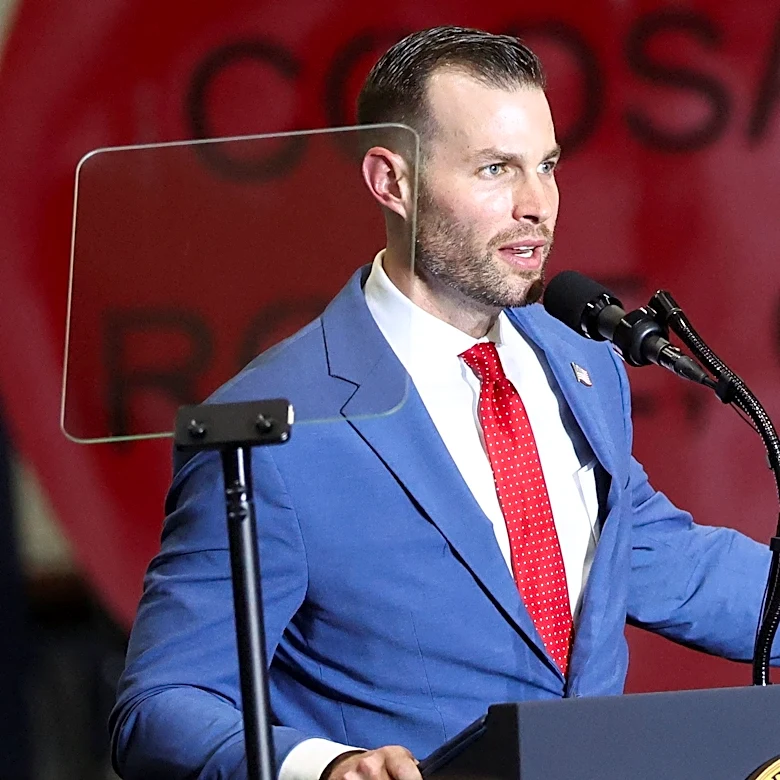
Senator Jerry Moran, a Republican from Kansas, has publicly challenged President Trump's recent threat to block Canadian jet manufacturer Bombardier from selling its products in the United States. President Trump, in a Truth Social post, declared, "NO
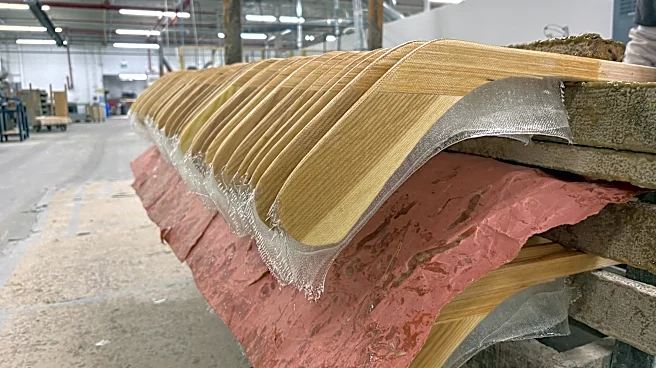
MORE SELLING BOMBARDIER IN THE UNITED STATES!" and asserted that over 50% of Bombardier's revenue comes from the U.S., while Canada allegedly blocks American banks and companies. He demanded that Bombardier build its products in the U.S. if it wishes to access the American market. Senator Moran responded by highlighting Bombardier's significant presence in Wichita, Kansas, where it employs over a thousand workers and contributes to the nation's defense and aerospace capabilities. He stated he contacted the Trump administration to emphasize Bombardier's contributions to Kansas workers and the supply chain, vowing to work towards retaining and growing Bombardier's manufacturing operations in the state. Bombardier also issued a statement detailing its extensive U.S. footprint, including facilities in Kansas, Texas, and California, and its reliance on approximately 2,800 American suppliers across 47 states, spending over $2.5 billion annually with them.
Why It's Important?
This development underscores the ongoing tensions in U.S.-Canada trade relations and the potential economic ramifications of protectionist policies. President Trump's stance, demanding that foreign companies "build here" to access the U.S. market, reflects a broader strategy aimed at boosting domestic manufacturing and employment. However, Senator Moran's pushback illustrates the complex interplay between national trade policy and local economic interests. For Kansas, Bombardier's operations are a significant source of jobs and economic activity, particularly in the aerospace sector. A ban or severe restrictions on Bombardier could lead to job losses and economic disruption in states where the company has a substantial presence, despite the broader goal of protecting American industries. This situation highlights how trade disputes, while often framed at a national level, can have direct and varied impacts on specific U.S. communities and workforces, potentially creating divisions within political parties regarding economic strategy.
What's Next?
The immediate next steps will likely involve continued discussions between Senator Moran and the Trump administration regarding Bombardier's role in the U.S. economy. The White House has not yet responded to requests for comment, indicating that the administration's official position beyond President Trump's social media post remains to be fully articulated. Bombardier's detailed statement about its U.S. operations and supply chain is an attempt to counter the narrative that it does not contribute sufficiently to the American economy, and it will likely continue to emphasize these points in any future engagements. The situation could escalate into formal trade actions if President Trump pursues his threat, potentially leading to tariffs or import restrictions on Bombardier products. Conversely, the administration might consider the economic impact on U.S. states and potentially seek a resolution that encourages more U.S.-based manufacturing by Bombardier without a complete ban, possibly through negotiations or incentives.
Beyond the Headlines
This incident reveals a deeper tension between nationalistic trade rhetoric and the realities of a globally integrated supply chain. While the call to "build here" resonates with a segment of the American public, modern manufacturing, especially in complex sectors like aerospace, often relies on international collaboration and specialized components from various countries. Bombardier's argument that its aircraft are built with American-made components and support thousands of U.S. jobs complicates the simple narrative of a foreign company taking advantage of the U.S. market. This situation also highlights the evolving role of social media in presidential policy announcements, where significant trade threats can be issued without immediate formal policy backing, creating uncertainty for businesses and political leaders alike. The outcome of this dispute could set a precedent for how the U.S. government approaches foreign companies with significant, yet not fully domestic, operations within the country, potentially influencing future investment and manufacturing decisions by international corporations.