


What's Happening?
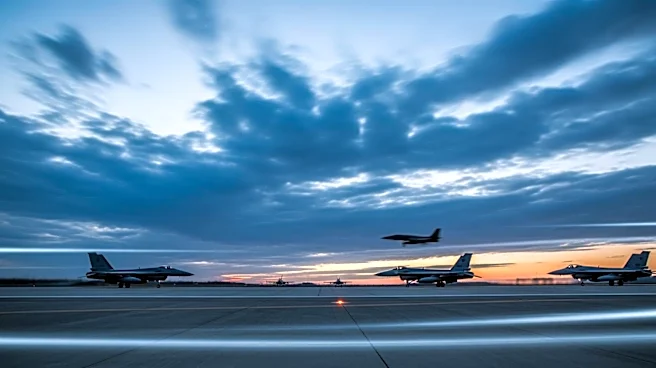
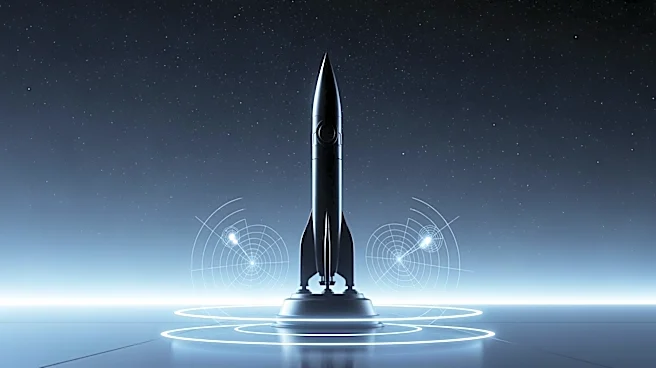
SpaceX's Starship, a fully reusable spacecraft, is gaining attention for its potential impact on military and strategic operations. Capable of transporting over 100 metric tons to Low Earth Orbit, Starship represents a significant advancement in space logistics.
This capability offers unprecedented opportunities for rapid deployment of resources, potentially redefining military operations worldwide. However, the prospect of militarizing Starship has sparked debates about the implications for space warfare and international treaties. The 1967 Outer Space Treaty, which prohibits the placement of nuclear weapons in orbit, is particularly relevant as the introduction of such powerful space vehicles could lead to an arms race. This development raises concerns about increased geopolitical tensions and the risk of conflict in space.
Why It's Important?
The integration of SpaceX's Starship into military strategies could significantly alter global power dynamics. While it offers the U.S. a logistical edge, it may provoke geopolitical tensions, especially with nations like China and Russia, who might accelerate their aerospace advancements in response. The use of space-based military assets challenges existing international treaties, such as the 1967 Outer Space Treaty, which prohibits the deployment of weapons of mass destruction in orbit. This situation necessitates careful management and diplomatic oversight to prevent space from becoming a battleground, overshadowing its potential as a realm for peaceful exploration and cooperation. The strategic implications of Starship could prompt calls for new regulations and international agreements to manage these emerging challenges.
What's Next?
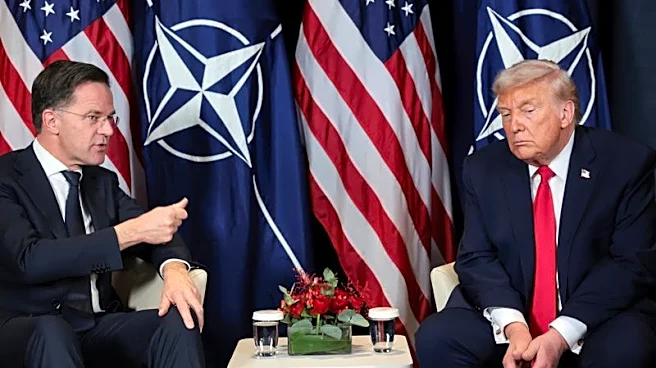
As countries navigate the regulatory challenges posed by the potential militarization of Starship, domestic political considerations will influence the pace and scope of its military integration. Alliances like AUKUS and NATO could benefit from shared technological advancements, although this collaboration might also heighten tensions with other global powers. The introduction of Starship into military strategies will likely lead to discussions on updating international treaties to address the dual-use nature of such technologies. Policymakers and think tanks are expected to advocate for diplomatic efforts to ensure that space remains a domain for peaceful exploration rather than conflict.
Beyond the Headlines
The ethical and legal dimensions of militarizing space are significant. The potential for space to become a new battleground raises questions about the long-term sustainability of international peace and security. The dual-use nature of technologies like Starship highlights the need for a balanced approach that appreciates their potential benefits while cautioning against unchecked expansion into militaristic avenues. This development could also influence cultural perceptions of space exploration, shifting the focus from scientific discovery to strategic dominance.