





What's Happening?
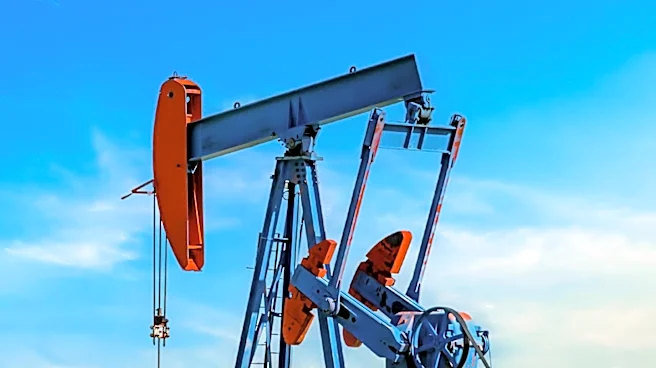
On September 23, 2026, U.S. Representative Mary Miller of Illinois's 15th Congressional District utilized her social media platforms to articulate her stances on several key issues. She highlighted energy policy under President Trump, asserting that American
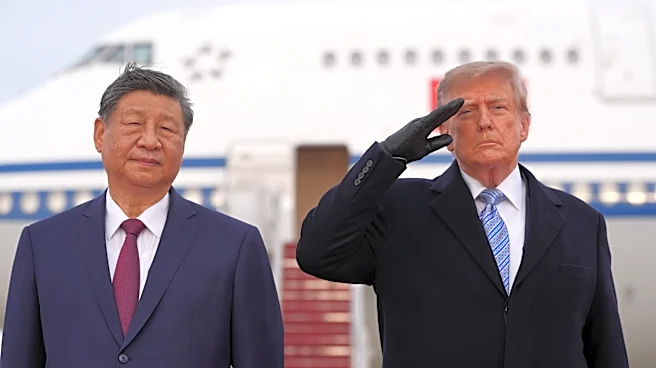
oil production is on track for a record high due to the administration's efforts to unleash American energy and support workers. Miller also commented on a lawsuit involving the American Federation of Teachers, which she characterized as an attempt to allow undocumented immigrants who cannot speak English or understand road signs to transport children to school. Furthermore, she addressed concerns regarding foreign investments in U.S. property, specifically stating that China should not be permitted to acquire farmland or residential property in the United States. Representative Miller indicated that she has proposed legislation aimed at safeguarding American land and ensuring it remains in American hands. Miller has represented Illinois’s 15th district since 2021, having won her seat by significant margins in recent elections.
Why It's Important?
Representative Miller's social media posts underscore ongoing debates and policy priorities within U.S. politics. Her comments on energy policy reflect a broader Republican platform that advocates for increased domestic oil production, emphasizing energy independence and job creation. This approach has significant implications for the U.S. economy, global energy markets, and environmental regulations. The criticism of the American Federation of Teachers' lawsuit touches upon contentious issues of immigration, education policy, and national security, potentially fueling public discourse on the role of unions and the rights of undocumented individuals. Her legislative efforts to restrict foreign ownership of U.S. land, particularly by China, highlight growing concerns about national security, economic sovereignty, and the protection of critical resources like farmland. These issues resonate with a segment of the American populace worried about foreign influence and control over domestic assets, potentially shaping future legislative agendas and international relations.
What's Next?
The issues raised by Representative Miller are likely to remain prominent in political discussions and legislative efforts. The push for increased domestic energy production will continue to be a focal point, with potential for new policies or deregulation aimed at boosting output. Debates surrounding immigration and education, particularly concerning the American Federation of Teachers' lawsuit, could lead to further legal challenges, public protests, or legislative responses aimed at either supporting or opposing the union's stance. Representative Miller's proposed legislation to prevent foreign ownership of U.S. land, especially by China, is expected to gain traction among lawmakers who share similar concerns about national security and economic protection. This could lead to congressional hearings, new bills being introduced, and increased scrutiny of foreign investment practices. The ongoing public discourse on these topics will likely influence voter sentiment and shape the political landscape in upcoming election cycles.
Beyond the Headlines
Beyond the immediate policy implications, Representative Miller's statements touch upon deeper societal anxieties and ideological divides within the United States. The emphasis on 'unleashing American energy' taps into a narrative of national self-reliance and economic strength, often contrasting with environmental protection efforts. The strong language used to describe the American Federation of Teachers' lawsuit reflects a broader cultural and political battle over immigration, national identity, and the role of public institutions. Furthermore, the focus on Chinese ownership of U.S. land highlights a growing geopolitical tension and economic competition between the two nations, raising questions about long-term strategic vulnerabilities and the balance between open markets and national security. These discussions are not merely about specific policies but also about fundamental values, national priorities, and the future direction of the country, influencing public trust in institutions and international relationships.