

What's Happening?
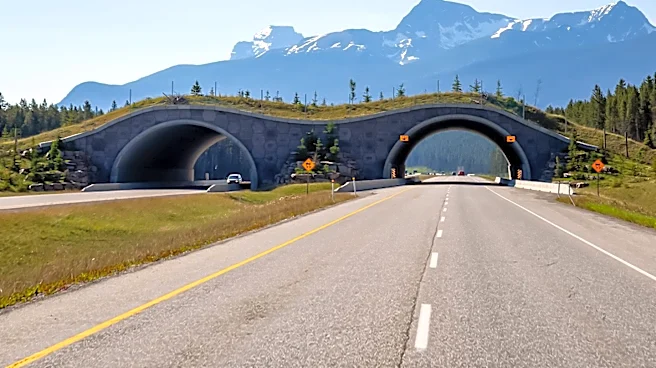
The Idaho Transportation Department (ITD) recently conducted a tour of the Rocky Point wildlife crossing on US-30, located in southeastern Idaho, for Congressional staff and industry stakeholders. This project, scheduled for completion in the fall, consists
of three highway underpasses utilizing two box culverts, a bridge, and fencing designed to safely guide animals away from motor vehicle traffic. The fencing also incorporates "jump-outs" to allow deer to exit the highway if they inadvertently enter the funneling area. The Rocky Point area is a critical migration passage for thousands of mule deer, which historically resulted in over 100 wildlife-vehicle collisions annually, costing approximately $2 million per year. ITD secured a $20.8 million grant from the Federal Highway Administration’s Wildlife Crossing Pilot Program, covering about 98% of the construction costs, with an additional $1.2 million from the U.S. Department of Agriculture funding a portion of the fencing.
Why It's Important?
This wildlife crossing project is significant for several reasons, primarily focusing on public safety and wildlife conservation. The high incidence of wildlife-vehicle collisions on US-30 posed a substantial risk to motorists and resulted in considerable economic losses due to property damage and associated costs. By mitigating these collisions, the project directly enhances road safety for the traveling public. Furthermore, it plays a crucial role in protecting the mule deer population, which is central to Idaho's outdoor heritage, recreation, and economy. The project demonstrates a successful collaboration between state agencies, conservation groups, and federal funding sources, setting a precedent for future infrastructure projects that prioritize both human and animal well-being. The substantial federal grants highlight a growing national recognition of the importance of wildlife crossings in modern transportation planning.
What's Next?
With the Rocky Point wildlife crossing scheduled for completion this fall, the immediate next steps involve finalizing construction and monitoring its effectiveness. ITD and its partners will likely assess the reduction in wildlife-vehicle collisions and the successful passage of mule deer through the underpasses. This data will be crucial for evaluating the project's success and informing future wildlife crossing initiatives. The collaboration between ITD, the Greater Yellowstone Coalition, the Idaho Conservation League, and the Idaho Department of Fish and Game is expected to continue, potentially leading to the identification and development of similar projects in other high-collision areas. The success of this project could also encourage other states to pursue federal funding for their own wildlife crossing programs, further integrating ecological considerations into infrastructure development.
Beyond the Headlines
The Rocky Point wildlife crossing represents a broader shift in infrastructure planning, moving beyond mere transportation efficiency to incorporate ecological and safety considerations. This project underscores the increasing recognition that human development often fragments natural habitats, necessitating innovative solutions to maintain ecological connectivity. The concept of wildlife crossings, while not new, is gaining traction as a vital component of sustainable infrastructure, reflecting a growing societal value placed on biodiversity and ecosystem health. Ethically, it highlights a responsibility to mitigate the impact of human activity on wildlife. Culturally, the project reinforces the importance of mule deer to Idaho's identity and economy, demonstrating how conservation efforts can align with local values and economic interests. This initiative could serve as a model for how federal, state, and local entities can collaborate to address complex environmental and safety challenges.