
What's Happening?
The Louvre Museum in Paris has experienced a significant setback following a water leak that damaged hundreds of rare books in its Egyptian antiquities library. The incident occurred on November 27, when
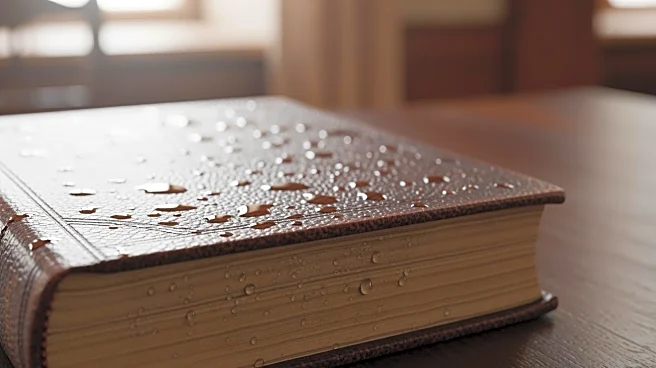
a water pipe leak went unnoticed until it had soaked into the floor below, affecting between 300 and 400 documents. These documents, primarily archaeological journals and research volumes from the late 19th and early 20th centuries, are regularly used by Egyptologists. Although no ancient works of art were impacted, the damage to these texts is considered severe, with some books and bindings deemed irretrievable. The museum staff acted swiftly to mitigate further damage by drying the pages individually and setting up air dehumidifiers. The Louvre's administration has acknowledged previous requests for resources to protect its book collection, which were not met, and renovations are now scheduled for next September.
Why It's Important?
This incident highlights ongoing challenges faced by the Louvre Museum in maintaining its infrastructure amidst budgetary constraints. The damage to the rare books underscores the need for proactive investment in repairs and maintenance to safeguard cultural heritage resources. The museum's infrastructure issues have been exacerbated by recent events, including a jewel heist and structural weaknesses that led to partial gallery closures. The French public audit body has criticized the museum's spending priorities, emphasizing the need for better allocation of funds towards infrastructure rather than artwork acquisitions. The incident raises concerns among scholars and art professionals about the potential risks to irreplaceable cultural assets if infrastructure issues are not addressed.
What's Next?
Efforts to salvage the damaged materials are ongoing, with controlled drying techniques being employed. Budgetary discussions regarding future infrastructure updates are expected to continue, driven by recent incidents and calls from oversight bodies for increased investment in maintenance. The Louvre's administration is likely to face pressure to prioritize infrastructure improvements to prevent similar occurrences in the future.