




What's Happening?
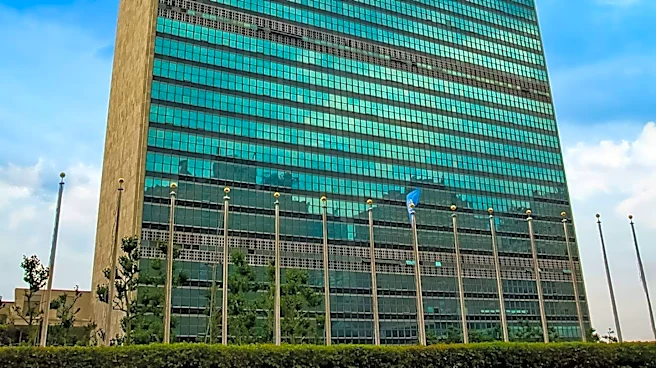
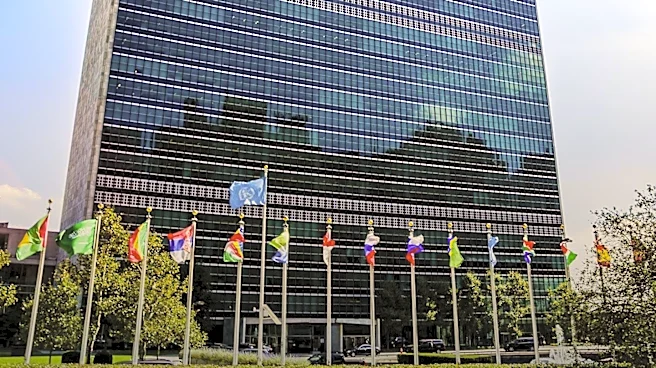
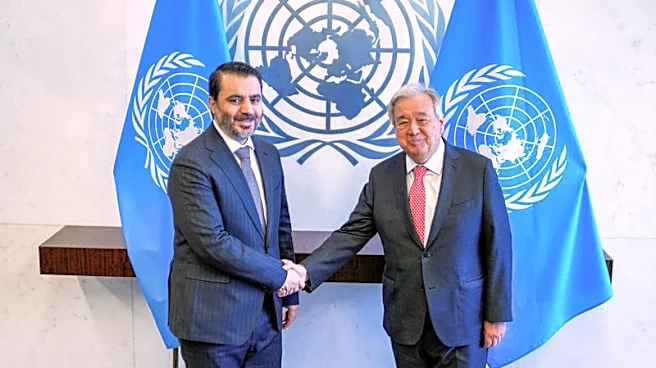
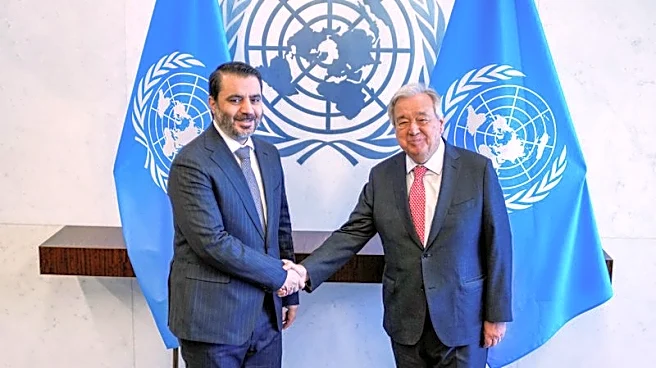
The United Nations is in the process of selecting its next secretary-general, with current Secretary-General António Guterres set to leave office after two terms. Several candidates, including Rafael Grossi, Michelle Bachelet, and Rebeca Grynspan, have
entered the race, each emphasizing the need for reform within the UN. The selection process involves nominations from UN member states and secret ballots by the Security Council. The role of the secretary-general is crucial in mediating international disputes and representing UN values.
Why It's Important?
The selection of the UN secretary-general is a significant event in international diplomacy, as the individual in this role influences global peace and security efforts. The emphasis on reform by candidates reflects a broader recognition of the need for the UN to adapt to contemporary global challenges. For the U.S., the selection process and the eventual choice of secretary-general could impact international relations and cooperation on issues such as climate change, human rights, and global security. The U.S. plays a key role in the Security Council, and its stance on candidates will be closely watched.
What's Next?
As the selection process progresses, the UN Security Council will conduct straw polls to assess candidates, with the five permanent members holding significant influence. The eventual nominee will be recommended to the General Assembly for formal approval. The new secretary-general will begin their term on January 1, 2027. The focus on reform suggests that the next secretary-general may prioritize initiatives to modernize the UN and address global challenges more effectively. This could lead to shifts in international policy and collaboration, impacting U.S. foreign policy and international engagement.