

What's Happening?
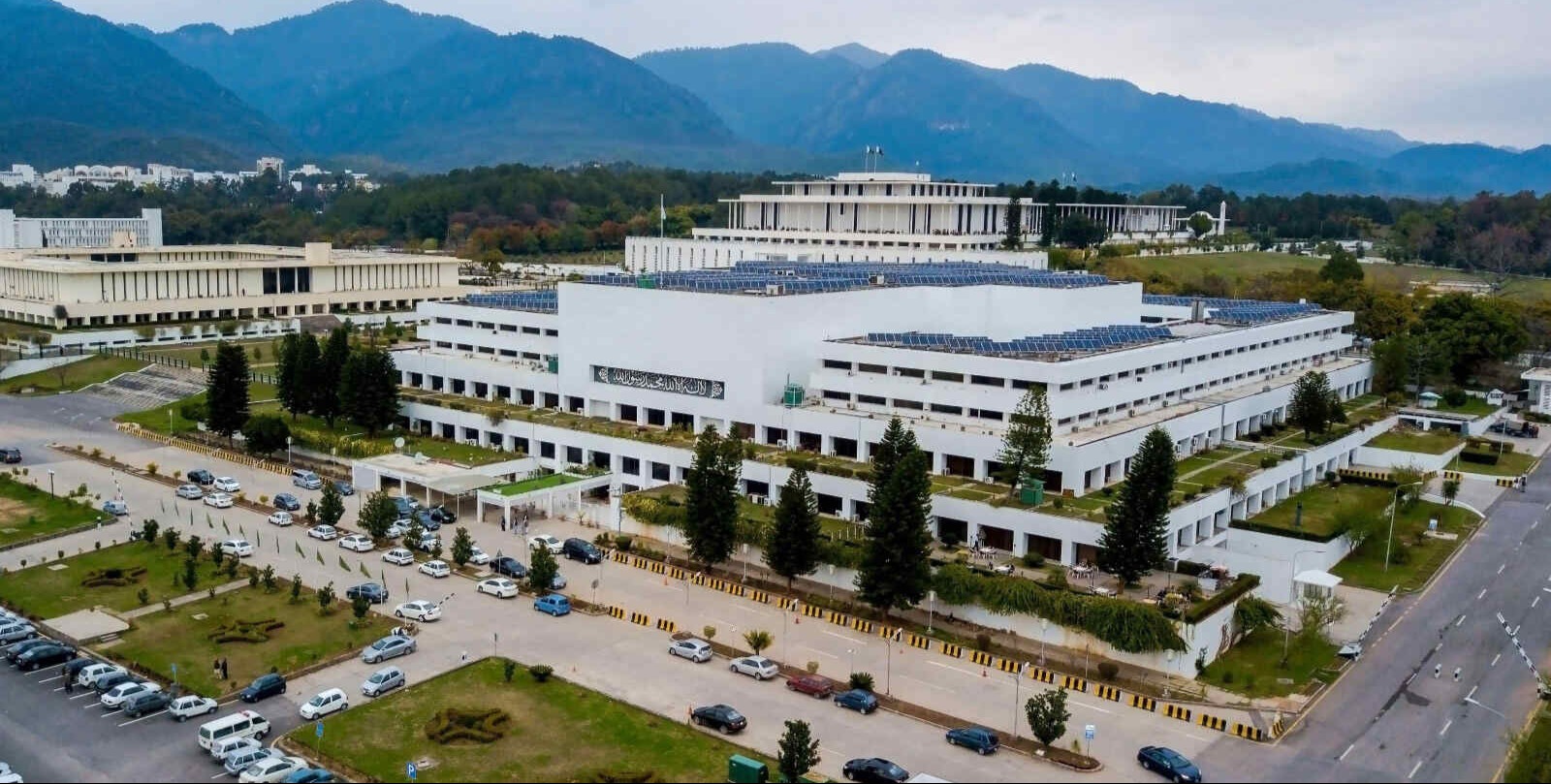
Pakistan's Prime Minister Shehbaz Sharif and Field Marshal Asim Munir have been actively seeking international loans to address the country's significant external financing gap. During a recent event in Islamabad, Sharif expressed the humiliation and burden
associated with Pakistan's growing reliance on foreign loans. He highlighted the challenges faced when negotiating with international lenders, often having to comply with demands that compromise national self-respect. Despite these challenges, Sharif acknowledged the support of key allies such as China, Saudi Arabia, the United Arab Emirates, and Qatar, with China being described as an 'all-weather friend.' Pakistan's economic situation is dire, with public debt exceeding Rs 76,000 billion as of March 2025, nearly doubling in four years. The country heavily depends on International Monetary Fund (IMF) bailouts and loans from China, particularly for projects under the China-Pakistan Economic Corridor (CPEC).
Why It's Important?
The economic instability in Pakistan has significant implications for regional and global economic dynamics. Pakistan's reliance on international loans and bailouts highlights the challenges faced by developing nations in achieving economic self-sufficiency. The situation underscores the geopolitical influence of countries like China, which plays a crucial role in Pakistan's economic strategy. The ongoing debt crisis could affect Pakistan's ability to engage in international trade and investment, potentially impacting regional economic stability. Additionally, the reliance on external financing may limit Pakistan's policy autonomy, forcing it to adhere to conditions set by lenders, which could have long-term socio-economic consequences.
What's Next?
Pakistan's government is likely to continue seeking international financial assistance to manage its debt crisis. The focus may shift towards implementing economic reforms to reduce dependency on foreign loans and achieve greater self-sufficiency. The government might also explore alternative financing options and strengthen economic ties with key allies. The international community, particularly financial institutions like the IMF, will closely monitor Pakistan's economic policies and progress. The outcome of these efforts will be critical in determining Pakistan's economic trajectory and its ability to navigate the current crisis.
Beyond the Headlines
The situation in Pakistan raises broader questions about the sustainability of economic models reliant on external financing. It highlights the ethical and strategic considerations for countries providing loans, as they balance financial support with geopolitical interests. The crisis also prompts discussions on the role of international financial institutions in supporting economic stability in developing nations. Long-term, Pakistan's experience may influence global economic policies and the approach to international lending, emphasizing the need for sustainable development strategies that prioritize economic independence.