





What's Happening?
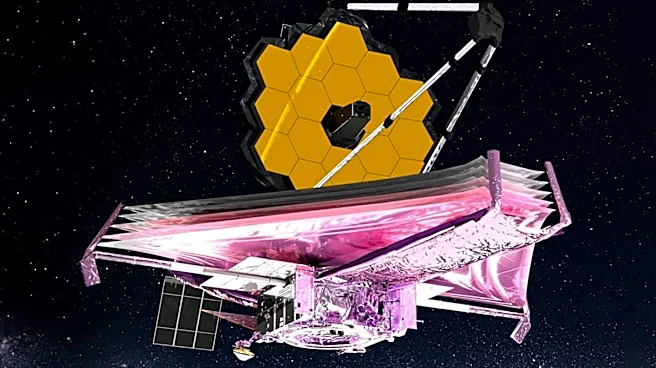
NASA's James Webb Space Telescope has captured new images of the Lion Nebula, also known as NGC 2392, using its NIRCam and MIRI instruments. These images provide a more detailed view of the nebula's structure compared to previous observations by the Hubble
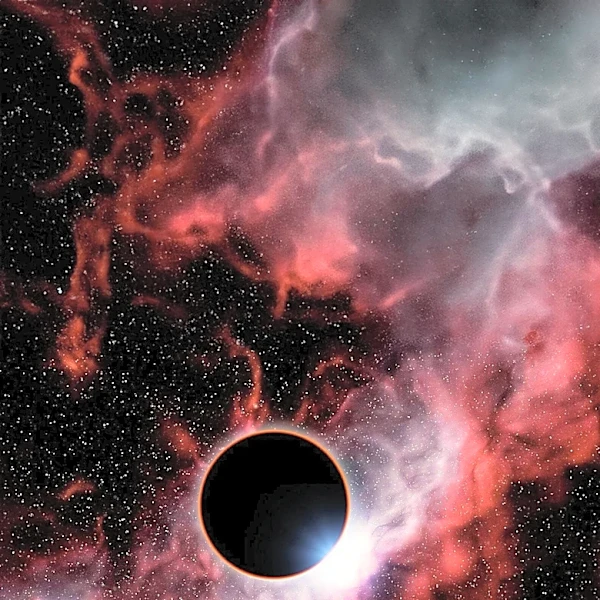
Space Telescope. The nebula, shaped like a lion's face, is powered by the remains of a dying star at its center. The star's radiation is responsible for the intricate structures observed, including compact clumps of dust and ionized gas. The nebula's components continue to evolve, driven by the energy from the central star.
Why It's Important?
The new insights from the James Webb Space Telescope enhance our understanding of planetary nebulae and the life cycle of stars. By observing the Lion Nebula, scientists can study the processes that occur when a star dies and how its remnants influence surrounding materials. This research contributes to the broader understanding of cosmic evolution and the formation of complex structures in the universe. The findings also demonstrate the capabilities of the James Webb Space Telescope in providing high-resolution images that reveal previously unseen details.
What's Next?
Astronomers will continue to study the Lion Nebula to understand the mechanisms behind its complex structure. The ongoing changes in the nebula's components offer a dynamic laboratory for observing the effects of stellar radiation on surrounding dust and gas. Future observations may focus on the long-term evolution of the nebula and the eventual dispersal of its materials. These studies will help refine models of stellar evolution and the impact of dying stars on their cosmic environment.