
What's Happening?
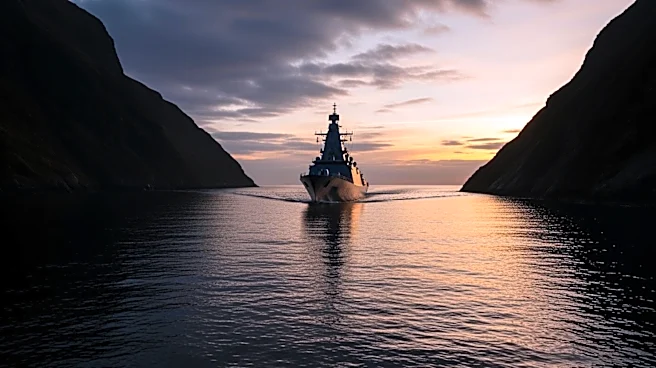
Iran has issued a stern warning to France and the United Kingdom regarding their plans to deploy warships near the Strait of Hormuz. Iranian Deputy Foreign Minister Kazem Gharibabadi stated that any foreign
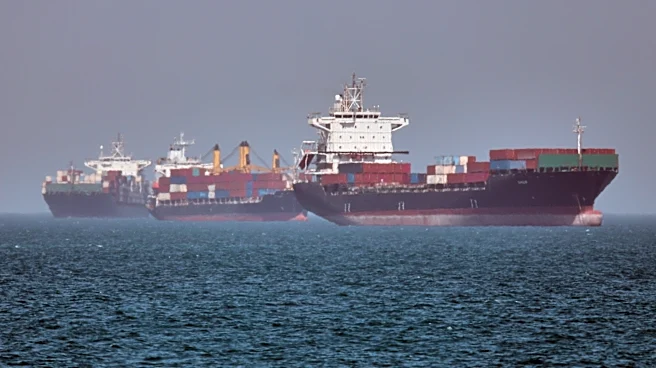
military presence in the strait would be met with a decisive response from Iran's armed forces. The Strait of Hormuz is a vital waterway through which a significant portion of the world's oil supply flows. The UK and France, as part of a multinational coalition, aim to ensure the security of shipping routes in the region. However, Iran views these deployments as an escalation and a threat to its sovereignty over the strait. The situation remains tense as the international community seeks to navigate the complexities of maritime security in the region.
Why It's Important?
The deployment of warships by France and the UK in the Strait of Hormuz highlights the strategic importance of this waterway and the potential for international conflict. The strait is crucial for global oil transportation, and any disruption could have significant economic repercussions worldwide. Iran's warning underscores the geopolitical tensions in the region and the challenges of maintaining maritime security. The involvement of major powers like the UK and France indicates the high stakes involved in ensuring the free flow of oil and the stability of global markets. The situation also reflects broader geopolitical dynamics, including the strained relations between Iran and Western countries.
What's Next?
As tensions continue to rise, diplomatic efforts may intensify to prevent further escalation. The international coalition led by the UK and France will likely proceed with caution, balancing the need for security with the risk of provoking Iran. The outcome of these developments could influence future international relations and security strategies in the region. Monitoring the situation closely will be essential for stakeholders involved in global oil markets and international diplomacy.