




What's Happening?
The Mexican Red Cross, with support from the International Federation of Red Cross and Red Crescent Societies (IFRC) and funding from the Zurich Climate Resilience Alliance (ZCRA), is executing a Climate Resilience Programme in flood-prone areas of Veracruz,
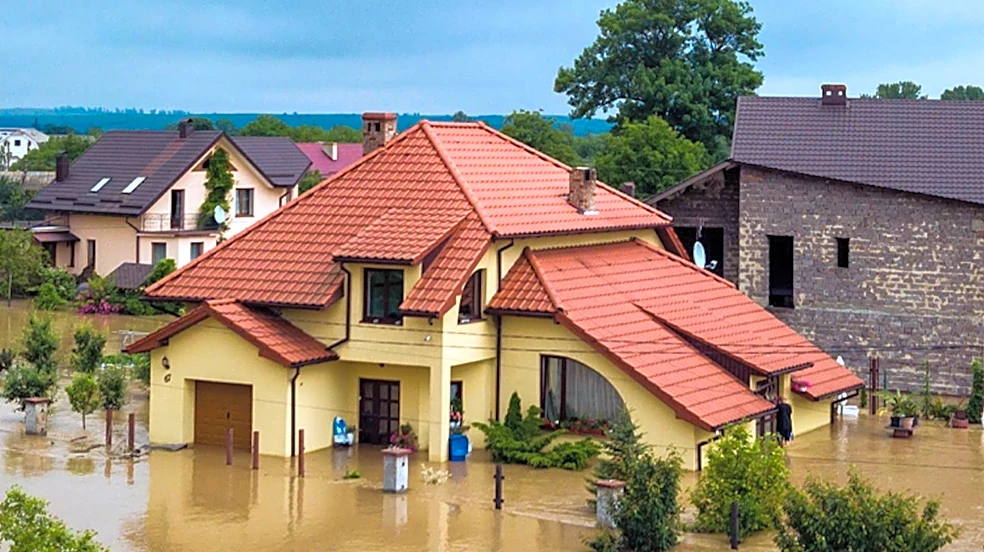
Mexico. This initiative focuses on strengthening household and community preparedness against climate-related hazards, particularly flooding, which is Mexico's most frequent natural disaster. The program utilizes a data-driven approach, specifically the Climate Resilience Measurement for Communities (CRMC) framework, to identify and implement interventions. Activities include door-to-door visits to help families in El Zapotal develop Family Emergency Plans for flood scenarios, aiming to complete 50 such plans. In Dos Bocas, community brigades are receiving training on the Regional Hydrometeorological Alert System, 'Alerta Gris,' to enhance early warning capabilities. This program marks a strategic shift from short-term disaster response to long-term preparedness and community engagement.
Why It's Important?
This program is important as it addresses the increasing vulnerability of communities to climate change impacts, particularly in regions like Veracruz that are highly susceptible to flooding, droughts, and tropical cyclones. By focusing on community-led preparedness and resilience, the initiative aims to mitigate the significant human and economic costs associated with these disasters, including infrastructure damage, loss of life, displacement, and economic losses. The involvement of the IFRC and ZCRA highlights a growing international recognition of the need for localized climate adaptation strategies. For the U.S., such initiatives in neighboring countries can contribute to regional stability and reduce potential humanitarian crises that might otherwise necessitate international aid or impact cross-border migration patterns. The data-driven approach and emphasis on early warning systems represent a model for effective disaster risk reduction that could be adapted and applied in other vulnerable areas, including those within the U.S. that face similar climate challenges.
What's Next?
The Mexican Red Cross plans to continue its efforts in Veracruz, with a focus on completing 50 Family Emergency Plans in El Zapotal and further training for community brigade members on early warning systems. The program's success in strengthening community understanding of risk and coordinating actions will likely inform future climate resilience initiatives in Mexico and potentially other regions. Stakeholders, including the IFRC and ZCRA, will likely monitor the program's outcomes to assess its effectiveness and scalability. The emphasis on community engagement and localized planning suggests a continued trend towards empowering local populations in disaster preparedness. Future steps may involve expanding the program to other vulnerable communities, integrating more advanced technologies for early warning, and advocating for policy changes that support long-term climate adaptation strategies at national and regional levels.
Beyond the Headlines
Beyond the immediate goal of flood preparedness, this program signifies a deeper shift in humanitarian aid and disaster management towards proactive resilience-building rather than reactive response. The focus on 'community memory' and integrating local knowledge into preparedness plans highlights the cultural and social dimensions of disaster risk reduction. By empowering residents to develop their own Family Emergency Plans and training community brigades, the program fosters a sense of ownership and self-reliance, which can lead to more sustainable and effective outcomes. This approach also addresses the ethical imperative of protecting vulnerable populations from the disproportionate impacts of climate change. The collaboration between a national Red Cross society, an international federation, and a private alliance (ZCRA) demonstrates a multi-sectoral approach to complex global challenges, setting a precedent for future partnerships in climate action and humanitarian efforts.