




What's Happening?
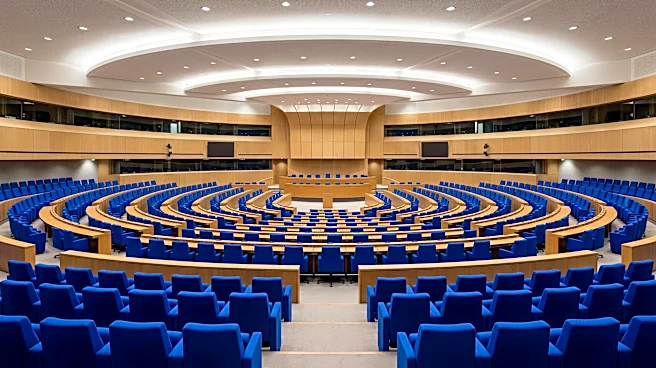
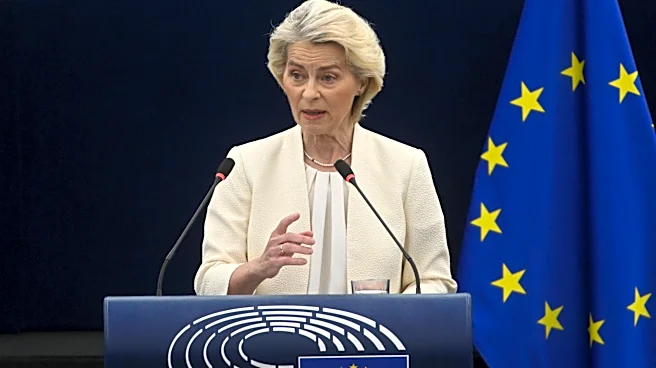
The European Parliament, directly elected by EU citizens, shares legislative and budgetary functions with the Council of the European Union. While the European Commission generally proposes new EU legislation and ensures its application, the Parliament and the Council are responsible
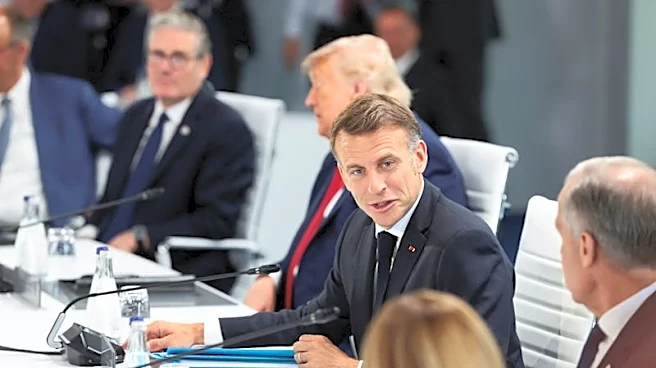
for adopting these laws. The Council of the EU consists of national ministers who meet by policy area and also shares legislative and budgetary functions with the Parliament. In contrast, the European Council, composed of heads of state or government, sets the broad political direction and priorities for the EU but does not typically legislate. This division of labor ensures a system of checks and balances within the European Union's decision-making process, with the Parliament representing citizens' interests and the Council representing national governments.
Why It's Important?
This shared legislative and budgetary authority is fundamental to the democratic functioning of the European Union. It ensures that laws and financial decisions reflect both the will of the EU's citizens, as expressed through their directly elected representatives in the Parliament, and the interests of the individual member states, as represented by their national governments in the Council. This dual representation is crucial for the legitimacy and effectiveness of EU policies. Without this shared power, there would be a risk of either an overly centralized, technocratic approach (if the Commission dominated) or a fragmented, nationalistic approach (if only the Council held sway). The balance between these institutions is designed to foster integration while respecting national sovereignty, making it a cornerstone of the EU's unique governance structure.
What's Next?
The ongoing interaction between the European Parliament and the Council of the EU will continue to shape the legislative landscape of the European Union. Future policy initiatives proposed by the European Commission will undergo scrutiny and negotiation within both bodies. The dynamic between these institutions will influence the speed and direction of EU integration, as well as the specific content of new laws and budget allocations. Citizens' engagement in European Parliament elections will remain vital, as their votes directly determine the composition of the Parliament and, consequently, its influence on legislative and budgetary matters. The effectiveness of this shared governance model will continue to be tested by evolving political priorities, economic challenges, and the need to respond to global events.
Beyond the Headlines
The shared legislative and budgetary functions of the European Parliament and the Council of the EU highlight the complex, multi-layered nature of governance in the European Union. This system is a continuous experiment in supranational democracy, balancing the aspirations of a unified Europe with the diverse interests of its member states. The interplay between these institutions often involves intricate negotiations and compromises, reflecting the inherent tensions between national sovereignty and collective action. Understanding this dynamic is essential for comprehending how EU policies are formed and implemented, and how the Union navigates its path towards deeper integration or potential fragmentation. It also underscores the importance of both direct democratic representation (Parliament) and intergovernmental cooperation (Council) in shaping the future of Europe.