




What's Happening?
Shaun Michael Mankey, a 40-year-old St. Paul resident, has been charged with felony fourth-degree assault of a peace officer in Ramsey County District Court. The charge stems from an incident on September 10, where Mankey allegedly became uncooperative
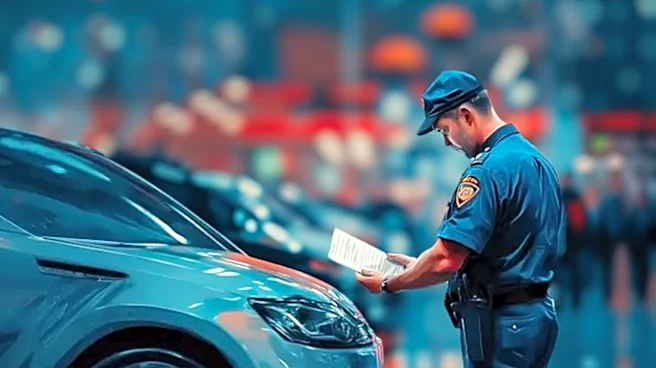
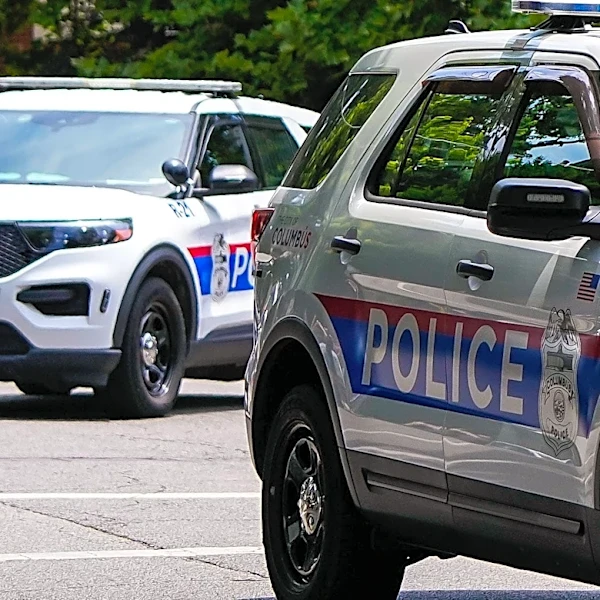
during an arrest by St. Paul police officers. According to the criminal complaint, Mankey, who was being arrested on an active Minnesota Department of Corrections warrant, slammed his head against a squad car window, yelled, and kicked at officers. After being placed inside the squad vehicle, he reportedly threatened to spit on an officer and subsequently did, with his saliva landing on the officer's head. Mankey is also accused of threatening the officer, stating, 'You're dead.' The charge, involving the transfer of bodily fluids, carries a maximum penalty of three years in prison, a $6,000 fine, or both. The allegations are based on the prosecution's version of events and have not yet been proven in court, with Mankey presumed innocent until proven guilty.
Why It's Important?
This incident highlights the significant risks and challenges faced by law enforcement officers in the line of duty, particularly during arrests. The felony charge underscores the legal system's stance on protecting peace officers from physical assault, especially those involving bodily fluids, which can pose health risks and psychological distress. Such incidents can impact officer morale, recruitment, and retention, as they contribute to the perception of policing as a dangerous profession. For the community, the case reflects on public safety and the importance of respecting legal processes, even during arrest. The outcome of this case could influence how similar incidents are prosecuted in the future and may contribute to ongoing discussions about police-community relations and the safety of law enforcement personnel. It also serves as a reminder of the legal consequences for individuals who resist arrest or assault officers, reinforcing the rule of law.
What's Next?
Shaun Michael Mankey will proceed through the Ramsey County District Court system, where he will have the opportunity to enter a plea and present his defense. The legal process will involve further hearings, potentially a trial, and if convicted, sentencing. The prosecution will aim to prove the allegations outlined in the criminal complaint. Meanwhile, the St. Paul Police Department will likely continue to monitor the case as it progresses through the courts. This incident may also prompt internal reviews within the police department regarding arrest procedures and officer safety protocols, particularly concerning individuals who become combative. The broader community will observe the legal proceedings, which could contribute to public discourse on law enforcement, criminal justice, and the treatment of individuals during arrest. The case's resolution will ultimately determine the legal consequences for Mankey and may have implications for future interactions between law enforcement and the public in St. Paul.
Beyond the Headlines
The charging of Shaun Michael Mankey with felony assault on a peace officer, particularly involving the transfer of bodily fluids, touches upon deeper societal issues beyond the immediate legal context. It highlights the increasing scrutiny on interactions between law enforcement and individuals, especially during arrests, and the potential for escalation. The act of spitting on an officer, while seemingly minor to some, is legally classified as a serious assault due to potential health risks and the inherent disrespect it conveys, often leading to enhanced charges. This case could also fuel discussions about mental health support within the criminal justice system, as individuals with underlying issues may exhibit uncooperative or aggressive behavior during encounters with police. Furthermore, it contributes to the ongoing national conversation about police safety and the need for effective de-escalation techniques, while also emphasizing the importance of accountability for actions that endanger or disrespect law enforcement personnel.