



What's Happening?
Marine fuel sales at Singapore, the world's largest bunker hub, saw a significant increase at the start of 2026. January volumes totaled 5.23 million metric tons, marking a 16.5% year-on-year rise, although slightly down from December's record highs.
The Maritime and Port Authority of Singapore reported that container throughput dipped slightly, while vessel calls for bunkering increased. The demand for 0.5% low-sulphur fuel oil was robust, despite a month-on-month decrease, and high-sulphur marine fuel volumes rose. Tight barge schedules contributed to higher price premiums for bunker fuels.
Why It's Important?
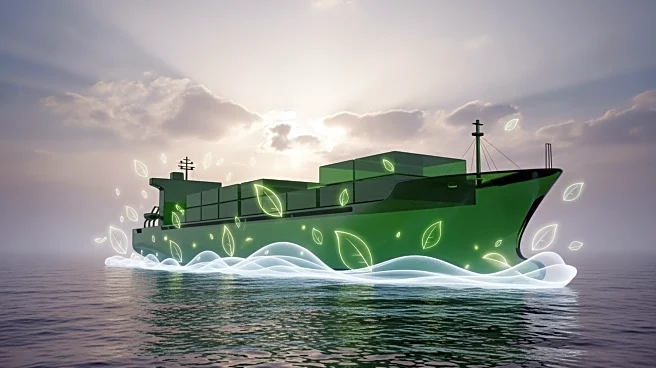
The increase in marine fuel sales in Singapore reflects the ongoing demand for shipping and trade, which is a critical component of the global economy. The rise in fuel sales, particularly in low-sulphur options, indicates a shift towards cleaner fuel alternatives in response to environmental regulations. This trend is significant for the shipping industry as it navigates the transition to more sustainable practices. The higher price premiums for bunker fuels could impact shipping costs and, consequently, global trade dynamics.
What's Next?
The shipping industry may continue to face challenges in balancing demand with environmental commitments. The delay in establishing a formal net-zero framework for shipping could affect the adoption of low-carbon marine fuels. However, shipping companies and suppliers are likely to maintain their investments in green technologies. The industry will need to monitor regulatory developments and market conditions closely to adapt to changing demands and sustainability goals.
Beyond the Headlines
The shift towards low-sulphur and alternative marine fuels highlights the broader movement towards sustainability in the maritime sector. This transition may lead to innovations in fuel technology and infrastructure, potentially reshaping the industry. The economic implications of higher fuel costs and the need for investment in cleaner technologies could influence shipping routes, trade patterns, and the competitiveness of ports worldwide.