









What's Happening?
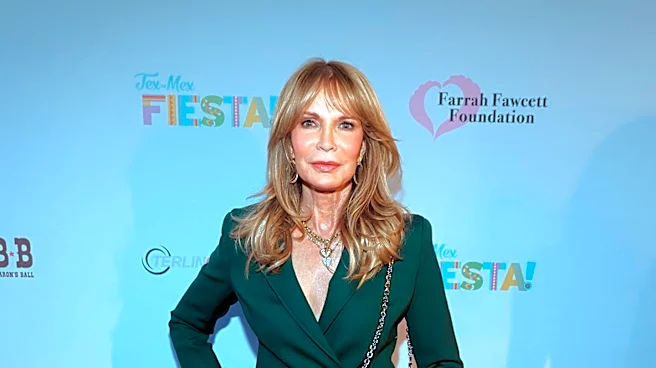
Pamela Anderson recently shared her experience battling hepatitis C in the late 1990s, a diagnosis that doctors initially predicted would give her only about 10 years to live. Speaking at the amfAR Gala in Venice, where she received an award, Anderson revealed
that there was no cure available at the time of her diagnosis. She disclosed her condition publicly in 2002, attributing the infection to sharing a needle with her ex-husband, rock drummer Tommy Lee, an assertion Lee has denied. Hepatitis C is a viral infection primarily affecting the liver, spread through blood-to-blood contact, with shared needles being a common cause. Anderson described the profound impact of the diagnosis, particularly her fear for her young children, which she said 'turned my life inside out.'
Why It's Important?
Anderson's account highlights the significant personal and financial burdens associated with severe medical conditions, especially when treatments are new and not widely covered by insurance. Her story underscores the disparities in healthcare access, as she noted feeling 'tremendous guilt that others weren't granted the same access' to the early-stage cure she received. This situation reflects broader issues within the U.S. healthcare system regarding the cost of innovative treatments and insurance coverage gaps. Her public disclosure and advocacy also contribute to reducing the stigma surrounding diseases like hepatitis C, encouraging testing and awareness. The emotional and psychological toll she described—feelings of shame, guilt, and being 'damaged goods'—illustrates the non-physical challenges faced by individuals with serious diagnoses, impacting their self-perception and life choices.
What's Next?
Following her recovery and public sharing of her journey, Pamela Anderson continues to be active in her career, with recent roles in films such as the 2025 reboot 'The Naked Gun' and 'The Last Showgirl,' for which she received award nominations. She also starred in 'Rosebush Pruning.' Her ongoing work in the arts, as she stated, serves as a means of self-expression and healing. Her continued presence in the public eye and her willingness to discuss her past health struggles are likely to further contribute to awareness campaigns for hepatitis C and other health issues. Organizations like amfAR, a foundation for AIDS research, will likely continue to leverage celebrity platforms to raise funds and awareness for medical research and patient support.
Beyond the Headlines
Pamela Anderson's narrative extends beyond a personal health battle; it touches upon the evolving landscape of medical science and public health. Her recovery from a previously 'fatal' diagnosis due to a cure that emerged '10 blurry years later' exemplifies the rapid advancements in medicine. However, her struggle to afford the treatment, which was not yet covered by insurance, exposes a critical ethical and societal challenge: how to ensure equitable access to life-saving innovations. This raises questions about pharmaceutical pricing, insurance policies, and the role of government in making essential treatments accessible to all, not just those with significant financial resources. Her experience also sheds light on the enduring psychological impact of severe illness and societal stigma, even after physical recovery, emphasizing the need for comprehensive support systems.