




What's Happening?
The Artemis II crew, consisting of Commander Reid Wiseman, Pilot Victor Glover, Mission Specialist Christina Koch, and Canadian Mission Specialist Jeremy Hansen, recently visited Thales Alenia Space in Turin. This visit was part of a European Recognition
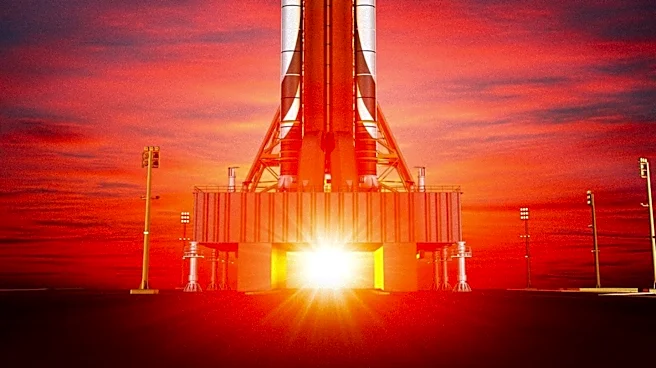
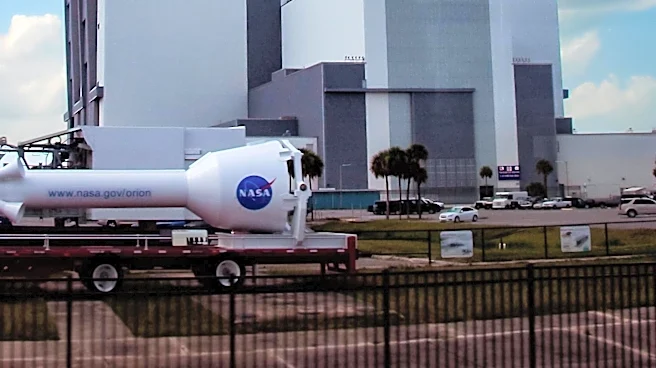
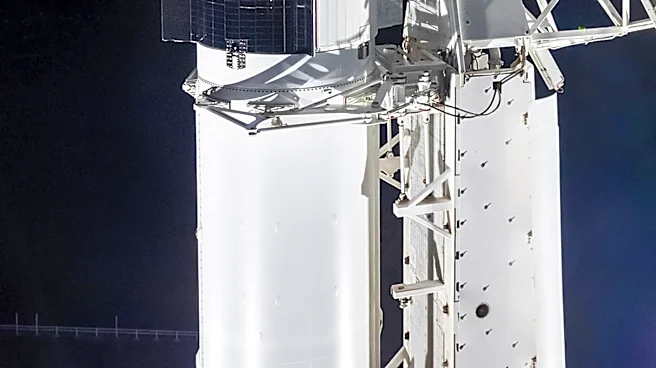
Tour to acknowledge the company's significant contributions to the Artemis II mission. The crew shared their experiences from the mission, which involved a 10-day journey approximately 7,400 km away from the Moon. During the mission, the Orion spacecraft, launched by NASA's Space Launch System, entered a high-altitude Earth orbit to test its systems before heading to the Moon. Thales Alenia Space played a crucial role by providing key subsystems for the European Service Module, which supported the spacecraft's power and propulsion needs. The visit highlighted the collaboration between NASA, ESA, and Thales Alenia Space in advancing human space exploration.
Why It's Important?
The Artemis II mission represents a pivotal step in NASA's efforts to return humans to the Moon and eventually prepare for missions to Mars. The collaboration with Thales Alenia Space underscores the importance of international partnerships in achieving these ambitious goals. The European Service Module, developed with contributions from Thales Alenia Space, is vital for the success of the mission, providing essential life support and propulsion capabilities. This mission not only advances technological capabilities but also strengthens international cooperation in space exploration. The success of Artemis II sets the stage for future missions, including Artemis III, which aims to further push the boundaries of human presence in space.
What's Next?
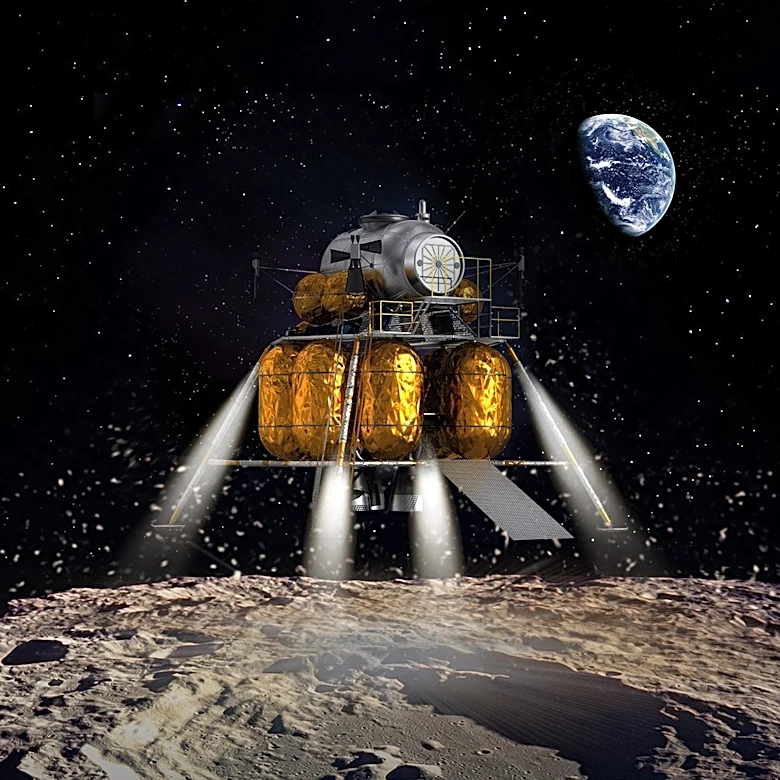
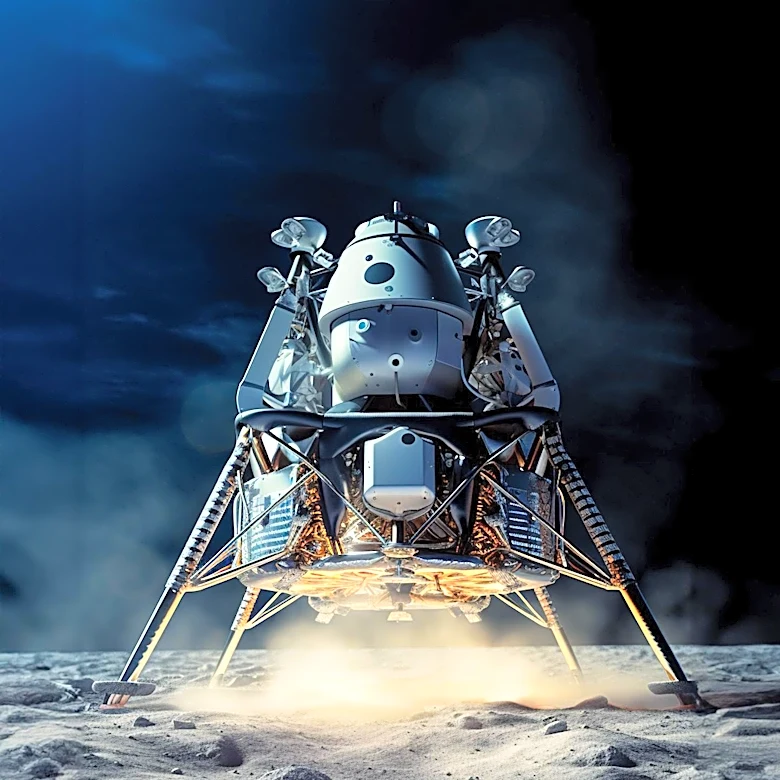
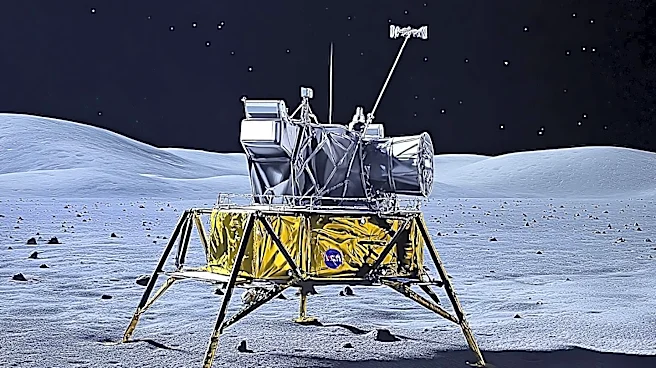
Following the Artemis II mission, preparations are underway for Artemis III, which will involve more advanced testing of technologies and capabilities necessary for sustained human presence on the Moon. Thales Alenia Space is developing the Argonaut lunar descent module for ESA, designed to transport cargo and provide life support on the lunar surface. Additionally, the company is working on the Multi-Purpose Habitation Module, a pressurized shelter for astronauts on the Moon. These developments are crucial for establishing a permanent outpost on the lunar surface, enabling long-term exploration and scientific research.