

What's Happening?
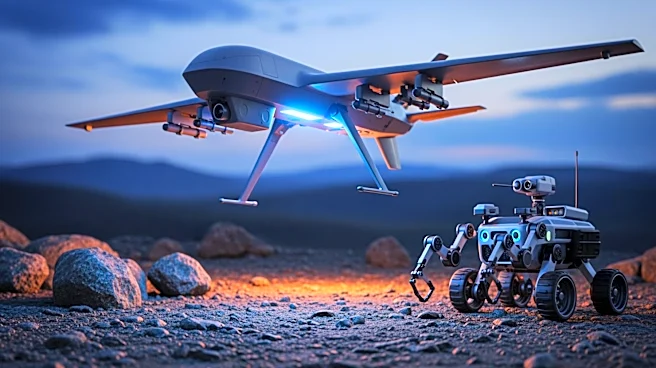
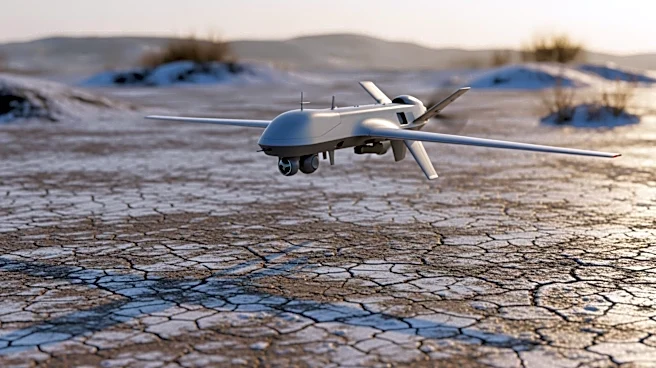
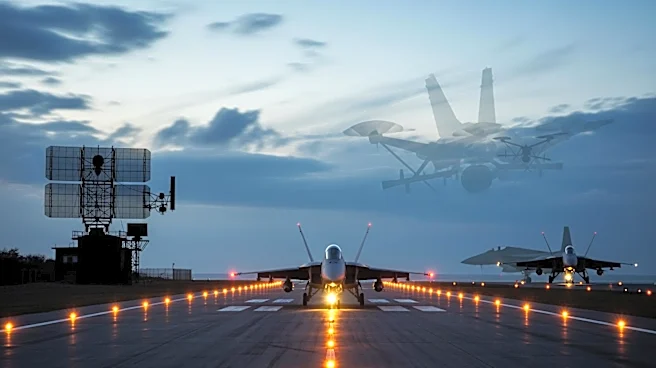
Estonia has decided to pause its planned acquisition of new infantry fighting vehicles, redirecting funds towards drones, counter-drone measures, and air-defense systems. This decision, announced by Estonian Defense Minister Hanno Pevkur, is influenced
by lessons from Russia's invasion of Ukraine. The country will extend the service life of its existing CV90 vehicles by at least 10 years. Unlike its Baltic neighbors, Latvia and Lithuania, which are acquiring new vehicles, Estonia opts for modernization to preserve capability and efficiently use resources. The modernization plan includes upgrading electronics and weapon systems of the existing vehicles. Estonia's defense spending exceeds 5% of its GDP, surpassing NATO's target, necessitating budget reallocations for new technologies.
Why It's Important?
This strategic shift highlights Estonia's adaptive approach to defense in response to regional security threats. By focusing on drones and air defenses, Estonia aims to enhance its military capabilities without increasing its defense budget. This move could influence other NATO members to reconsider their defense strategies, especially in light of evolving threats from neighboring regions. The decision underscores the importance of technological advancements in modern warfare, potentially setting a precedent for other countries to prioritize modernization over new acquisitions. Estonia's approach may also encourage international defense collaborations, boosting its defense industry and maintaining competitiveness in the region.
What's Next?
Estonia plans to select a foreign supplier to ramp up domestic production of 155 mm artillery ammunition. The National Defence Committee will monitor the implementation of the new strategy to ensure national security. Estonia's focus on attracting international defense industry players could lead to increased foreign investment and technological partnerships. The success of this strategy may prompt further investments in unmanned technologies and defense innovations, potentially influencing defense policies across Europe.