








What's Happening?
U.S. homeowners have significant opportunities to benefit from solar power investments through various financial incentives and careful property evaluation. Key incentives include federal tax credits, state tax incentives, rebates, and net metering policies,
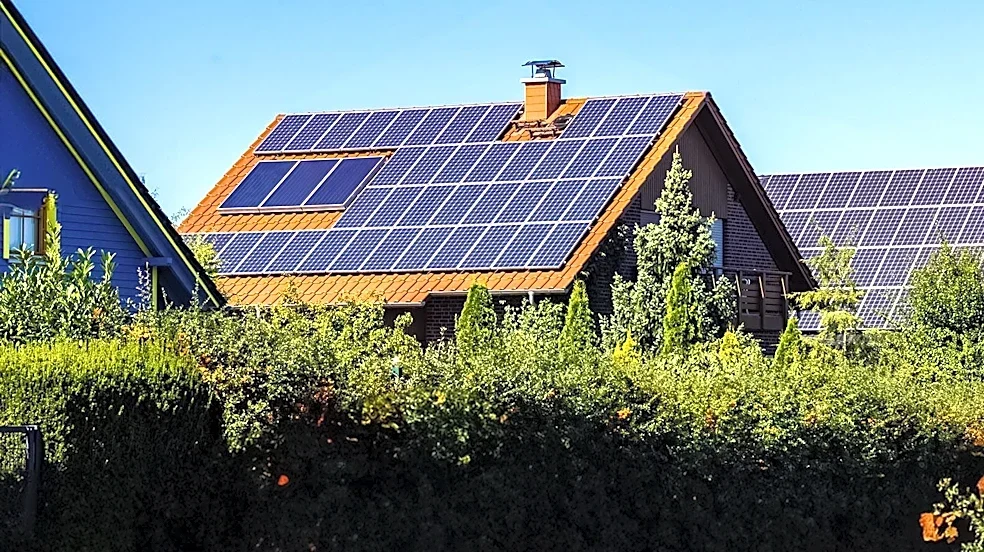
which collectively enhance the economic viability of solar installations. Homeowners are advised to assess their property's suitability for solar panels by considering factors such as roof orientation, shading, and local climate. Tools like PVWatts, available on government websites, can help evaluate solar energy potential. Additionally, understanding local regulations and homeowners' association policies is crucial. For properties unsuitable for rooftop installations, community solar programs offer an alternative to access solar energy savings. Engaging with professional solar consultants and utilizing resources like the Database of State Incentives for Renewables and Efficiency (DSIRE) can provide tailored advice and comprehensive information on available incentives and financing options. The Federal Solar Investment Tax Credit (ITC) is a significant incentive, offering a tax credit for solar energy system installations.
Why It's Important?
The widespread adoption of solar energy by U.S. homeowners has significant implications for the nation's energy landscape, economy, and environment. Financially, these incentives make solar power more accessible, reducing upfront costs and leading to long-term savings on electricity bills. This shift can decrease reliance on traditional energy sources, contributing to energy independence and grid stability. Economically, the growth of the solar industry creates jobs in manufacturing, installation, and maintenance, stimulating local economies. Increased property values for homes with solar panels, as indicated by research from the Lawrence Berkeley National Laboratory, also represent a tangible financial benefit for homeowners. Environmentally, greater solar adoption reduces carbon emissions, aligning with broader sustainability goals and mitigating climate change impacts. The integration of energy storage solutions further enhances reliability, particularly during outages, and allows homeowners more control over their energy consumption, contributing to a more resilient and decentralized energy system. This trend supports the U.S. in achieving its clean energy targets and fostering a green economy.
What's Next?
Homeowners considering solar installations should prioritize thorough research into available financial incentives and evaluate their property's specific solar potential. This includes consulting official resources like the Database of State Incentives for Renewables and Efficiency (DSIRE) for detailed information on tax credits, rebates, and financing options. The Federal Solar Investment Tax Credit (ITC) remains a key incentive, and homeowners should understand its applicability. Selecting certified solar installers, such as those accredited by the North American Board of Certified Energy Practitioners (NABCEP), is crucial to ensure effective design, installation, and compliance with utility requirements. Homeowners should also explore the integration of energy storage solutions, like batteries, to enhance power supply reliability and optimize energy usage, especially during periods without sunlight. As solar technology continues to advance and market conditions remain favorable, homeowners are encouraged to assess their options to reduce energy expenses and potentially increase property value. Staying informed about evolving state and local regulations regarding solar access and third-party ownership will also be important for maximizing benefits and navigating future resale opportunities.
Beyond the Headlines
The push for solar energy adoption among U.S. homeowners extends beyond immediate financial and environmental benefits, touching upon broader societal and technological shifts. The increasing integration of energy storage solutions with residential solar systems signifies a move towards greater energy independence and resilience at the individual household level. This decentralization of power generation could fundamentally alter the relationship between consumers and utility companies, potentially leading to more dynamic energy markets and innovative grid management strategies. Furthermore, the emphasis on certified installers and comprehensive property evaluations highlights a growing demand for quality assurance and consumer protection within the rapidly expanding solar industry. The long-term impact includes not only a reduction in the carbon footprint but also the fostering of a more energy-literate populace, as homeowners become more engaged in understanding and managing their energy consumption. This trend also underscores the evolving definition of 'property value,' where sustainability features are increasingly recognized as significant assets, influencing real estate markets and buyer preferences.