





What's Happening?
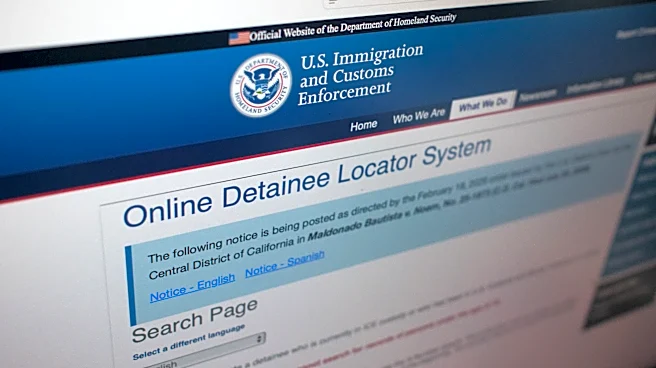
An unprecedented leak of Department of Homeland Security (DHS) records has exposed details for over 41,000 employees and contractors across the department and its component agencies, including U.S. Immigration and Customs Enforcement (ICE) and U.S. Customs and Border
Protection (CBP). The leaked data, last updated on August 19, 2026, includes email addresses, phone numbers, office addresses, and references to internal systems, as well as sensitive information related to undercover and surveillance programs. The transparency nonprofit Distributed Denial of Secrets (DDoSecrets) and cybersecurity researcher maia arson crimew previewed the data to WIRED, stating they obtained it from a group calling itself the Department of Peace. DDoSecrets published the archive, named 'Icepick,' on Wednesday, with the hackers' note stating, 'They have our information, so it's only fair that we have theirs.' An Okta spokesperson, whose login system was reportedly the source, stated they are unaware of any breach of their systems.
Why It's Important?
This massive data leak poses significant national security risks and jeopardizes the safety of thousands of federal employees, particularly those involved in sensitive operations like undercover work. The exposure of personal and operational details for ICE agents and other DHS personnel could compromise ongoing investigations, endanger agents in the field, and potentially be exploited by malicious actors. It also highlights critical vulnerabilities in government cybersecurity infrastructure, raising concerns about the protection of sensitive information. For the public, this incident erodes trust in the government's ability to safeguard data and could lead to increased scrutiny of DHS's data security practices. The leak's timing, following a period where DHS has reportedly pursued critics and expanded its definition of 'doxing,' adds another layer of complexity to the implications.
What's Next?
DHS will likely launch a comprehensive investigation into the source and extent of the data breach, aiming to identify the perpetrators and mitigate further risks. Affected employees and contractors will need to be notified, and measures will be taken to protect their identities and ensure their safety, especially for those involved in undercover operations. This incident could trigger a review of DHS's cybersecurity protocols and data handling practices, potentially leading to enhanced security measures and stricter regulations. Furthermore, the leak may fuel public debate about government surveillance, data privacy, and the balance between national security and individual liberties. Lawmakers may also demand accountability and propose legislation to strengthen federal cybersecurity defenses.
Beyond the Headlines
The 'Icepick' leak transcends a typical data breach, carrying profound ethical and legal implications. The hackers' stated motivation—'They have our information, so it's only fair that we have theirs'—suggests a retaliatory act, raising questions about the ethics of hacktivism and the justification of exposing sensitive personal data, even in response to perceived government overreach. This incident could set a dangerous precedent, normalizing the weaponization of leaked information in ideological conflicts. Legally, the exposure of undercover agents' identities could lead to severe consequences, including potential harm or death, and raises complex questions about liability and accountability. Culturally, it reflects a growing distrust between certain segments of the public and government institutions, particularly those involved in law enforcement and intelligence, potentially exacerbating societal divisions and challenging the traditional boundaries of transparency and secrecy in a digital age.