


What's Happening?
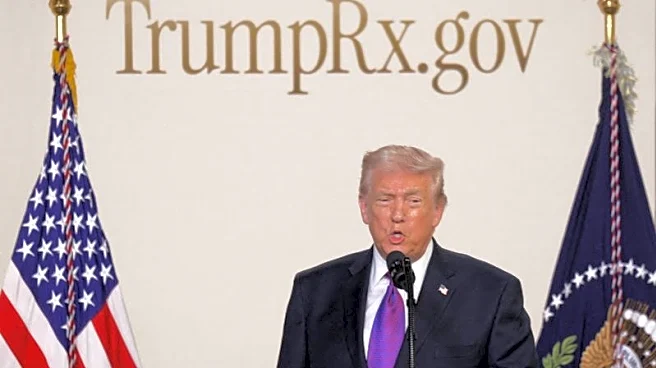
President Donald Trump announced that nine major pharmaceutical companies have agreed to lower the prices of their prescription drugs in the United States. The companies involved include Amgen, Bristol Myers Squibb, Boehringer Ingelheim, Genentech, Gilead
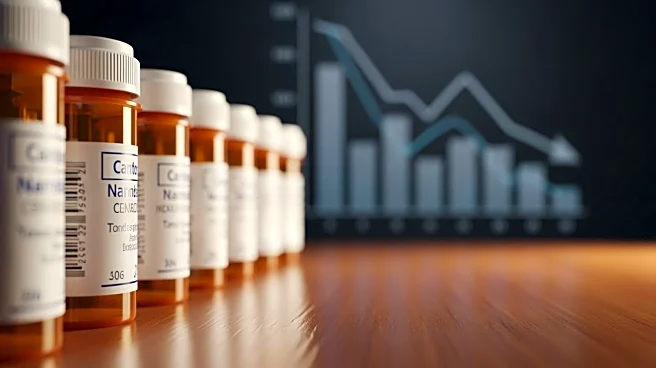
Sciences, GSK, Merck, Novartis, and Sanofi. These companies will adjust their Medicaid drug prices to align with those in other developed countries. The agreement also includes a 'most-favored-nation' pricing model for new drugs across various markets, including Medicare and Medicaid. This initiative aims to reduce the financial burden on patients, especially those without insurance, and to alleviate state budgets that fund Medicaid programs. The Trump administration has negotiated similar deals with other pharmaceutical companies earlier in the year, marking a significant effort to address the high cost of brand-name drugs in the U.S.
Why It's Important?
The reduction in drug prices is a critical development for the U.S. healthcare system, potentially easing the financial strain on patients and state budgets. For uninsured patients, lower drug prices could mean more affordable access to necessary medications. The initiative also reflects a broader push by the Trump administration to make healthcare more affordable and accessible. Pharmaceutical companies stand to benefit from positive public relations and potential increases in sales volume due to more affordable pricing. However, the long-term impact on research and development within these companies remains to be seen. The agreement could set a precedent for future negotiations between the government and the pharmaceutical industry, potentially leading to more widespread changes in drug pricing policies.
What's Next?
The Trump administration plans to launch the TrumpRx platform in January, allowing consumers to purchase drugs directly from manufacturers. This platform could further disrupt traditional drug distribution channels and provide more competitive pricing options for consumers. Additionally, companies like Merck, GSK, and Bristol Myers Squibb have agreed to donate significant supplies of active pharmaceutical ingredients to a national reserve, which could enhance the country's preparedness for medical emergencies. The effectiveness of these initiatives in improving healthcare access and affordability will be closely monitored in the coming years.
Beyond the Headlines
The agreement highlights the ongoing debate over drug pricing and healthcare equity in the United States. By securing lower prices, the Trump administration addresses a critical issue that affects millions of Americans. However, the long-term sustainability of such pricing models and their impact on pharmaceutical innovation and profitability will be key areas of focus. The initiative also underscores the potential for government intervention in the pharmaceutical industry, which could lead to further regulatory changes in the future.