




What's Happening?
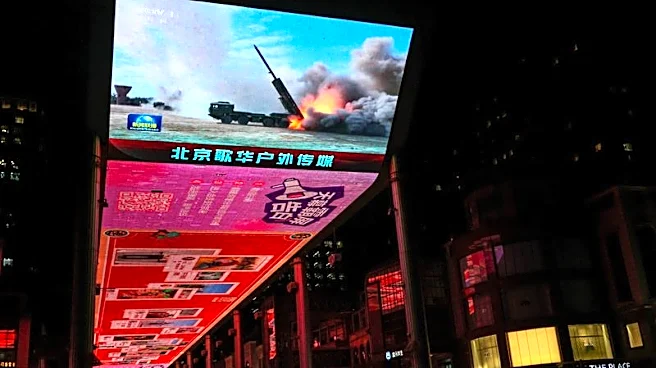
US intelligence has revealed that China is preparing to deliver new air defense systems to Iran within the next few weeks. The systems, known as MANPADs, are shoulder-fired anti-aircraft missile systems that pose a significant threat to low-flying US military
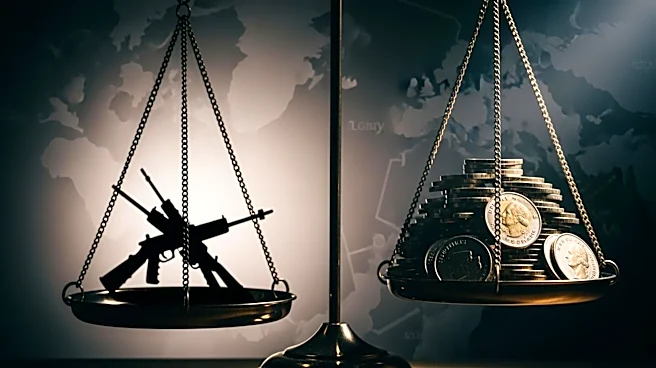
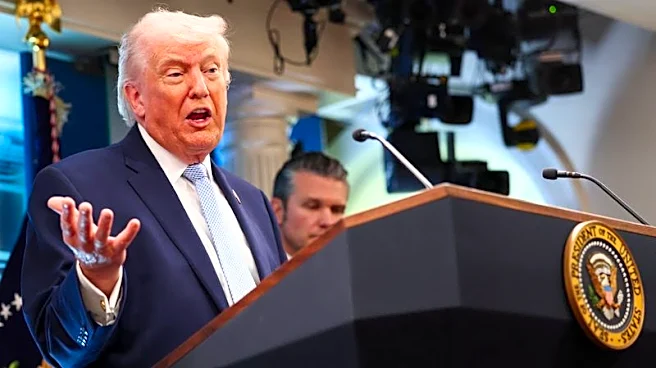
aircraft. The intelligence report suggests that China may be attempting to route these shipments through third countries to conceal their origin. This development comes amid a fragile ceasefire between Iran and the United States, which Iran might be using to replenish its weapon systems with foreign assistance. In response to these reports, President Trump announced a 50% tariff on imports from countries supplying military weapons to Iran, aiming to deter such actions.
Why It's Important?
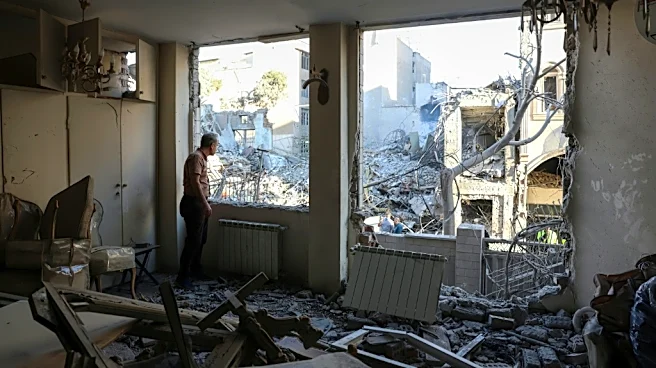
The delivery of air defense systems from China to Iran could escalate tensions in the Middle East, particularly affecting US military operations in the region. These systems enhance Iran's military capabilities, potentially undermining US strategic interests and complicating diplomatic efforts. The imposition of tariffs by President Trump reflects a strategic move to pressure countries involved in military supplies to Iran, which could have broader economic implications. This situation highlights the geopolitical complexities and the delicate balance of power in the region, with potential impacts on international relations and global security.
What's Next?
The situation may lead to increased diplomatic efforts to address the arms transfer and its implications for regional stability. The US might engage in further negotiations or impose additional sanctions to prevent the escalation of military capabilities in Iran. China's role in brokering the ceasefire could be scrutinized, and its actions may influence future diplomatic engagements. The international community may also respond, seeking to mediate tensions and ensure compliance with international arms agreements.
Beyond the Headlines
The arms transfer underscores the ongoing geopolitical rivalry between major powers and their influence in the Middle East. It raises ethical questions about arms proliferation and the responsibilities of nations in conflict zones. The situation could lead to long-term shifts in alliances and power dynamics, affecting global security and economic stability. The role of tariffs as a tool in international diplomacy and conflict resolution may be further explored, impacting trade relations and economic policies.